TYPES OF VITAMIN C: SODIUM ASCORBATE VS ASCORBIC ACID
Lead in: Confused on which vitamin C to buy? Here’s your guide in identifying the difference of sodium ascorbate vs ascorbic acid
When purchasing vitamin C, you might have noticed that some brands include sodium ascorbate in their generic name, or at times, it’s just ascorbic acid. You’ve seen both on the shelf, grabbed whichever was cheaper, and moved on—but these two aren’t the same thing, and your body knows the difference.
Knowing this small but important difference could change the way you think about boosting your immunity; it could also change the way you approach your overall health entirely.
H2: Benefits Of Taking Vitamin C
A healthy diet and regular exercise are important for overall health, but your body may need extra nutrients to really thrive. Vitamin C is one of the most important nutrients to include. It makes collagen to heal wounds and fix skin tissue, and it also keeps your skin, teeth, hair, and gums healthy.
Vitamin C supplements come in two common forms: ascorbic acid and sodium ascorbate. Understanding what sets them apart allows you to find the right fit for your specific needs and lifestyle.
H2: Ascorbic Acid
Ascorbic acid is the pure and natural form of vitamin C. It helps wounds heal and makes collagen. But because of its high acid content, it nay cause discomfort for those with sensitive stomachs. It also tends to oxidize, which means it can break down and lose its potency when it comes into contact with air, light, or heat.
H2: Sodium Ascorbate
Sodium ascorbate, on the other hand, is composed of sodium and ascorbic acid. This combination creates a buffered effect, making vitamin C less acidic—which is why it’s known as a non-acidic form of vitamin C. Its gentler formulation makes it safer for those who have stomach sensitivity like hyperacidity, diarrhea, heartburn, and stomach irritation. On top of that, sodium ascorbate has better stability, giving it a longer shelf life compared to its counterpart.
H2: Which Vitamin C Should You Choose?
Knowing which of the two types of vitamin C is best for you can be challenging. The best choice ultimately depends on your body’s needs and any existing health conditions you may have.
If you have GERD, hyperacidity, or stomach sensitivity, sodium ascorbate might be the better choice for you. But if you have kidney disease or diabetes and are prevented from consuming large amounts of sodium, you should stay away from it.
At the end of the day, consulting your doctor remains the best step to determine which form of vitamin C truly fits your health needs.
For those who are seeking natural source of vitamin C
Vitamin C Rich Foods to Include in Your Diet
Lead in: Think Vitamin C is all about oranges? Discover vitamin C-rich foods to add to your diet
H2: Vitamin C Benefits: Why Vitamin C is Needed
Did you know that unlike most animals, the human body can’t produce vitamin C on its own?
The only way we can get it is by relying entirely on food and supplements. This popular vitamin, often associated with oranges, is actually a powerful essential nutrient that strengthens the immune system, protects cells from damage, and builds collagen for healthy skin.
Apart from citrusy foods and supplements, vitamin C is also abundant in the usual food we consume—and you might not even be noticing! Here are some sources that will probably make you interested in stocking up your fridge:
H2: Foods High in Vitamin C
Vitamin C is in more foods than you might think, from colorful fruits to everyday vegetables. The best part is that most of them are always available at your local market or grocery store.
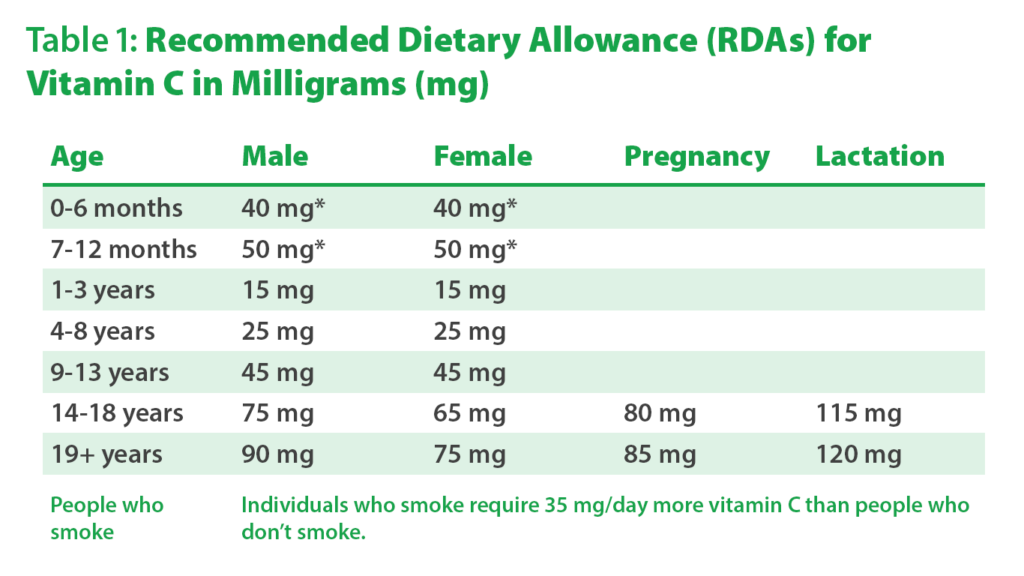
The list below includes common food sources of vitamin C with their serving size, amount of vitamin C (mg), and % Daily Value (%DV)—which shows how much each serving contributes to the recommended at least 90 mg per day for adults.
H3: Fruits
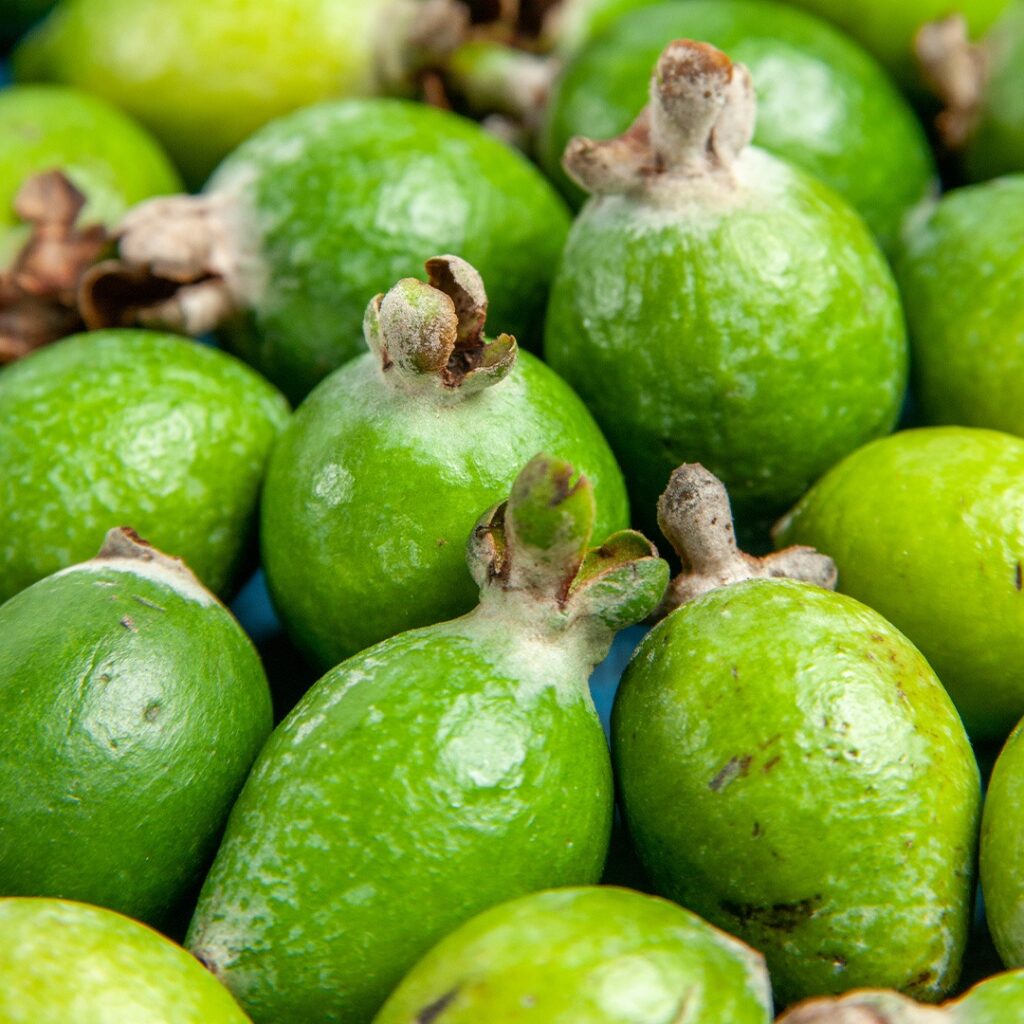
H4: 1. Guava
Vitamin C content: 125 mg (140% DV) for a piece
Guava is abundant in tropical regions, particularly in the Philippines, and can often be found right in your neighborhood. Apart from its distinct fragrant taste, it contains a high amount of vitamin C. It can be eaten on its own or included in your favorite fruit salad recipe.
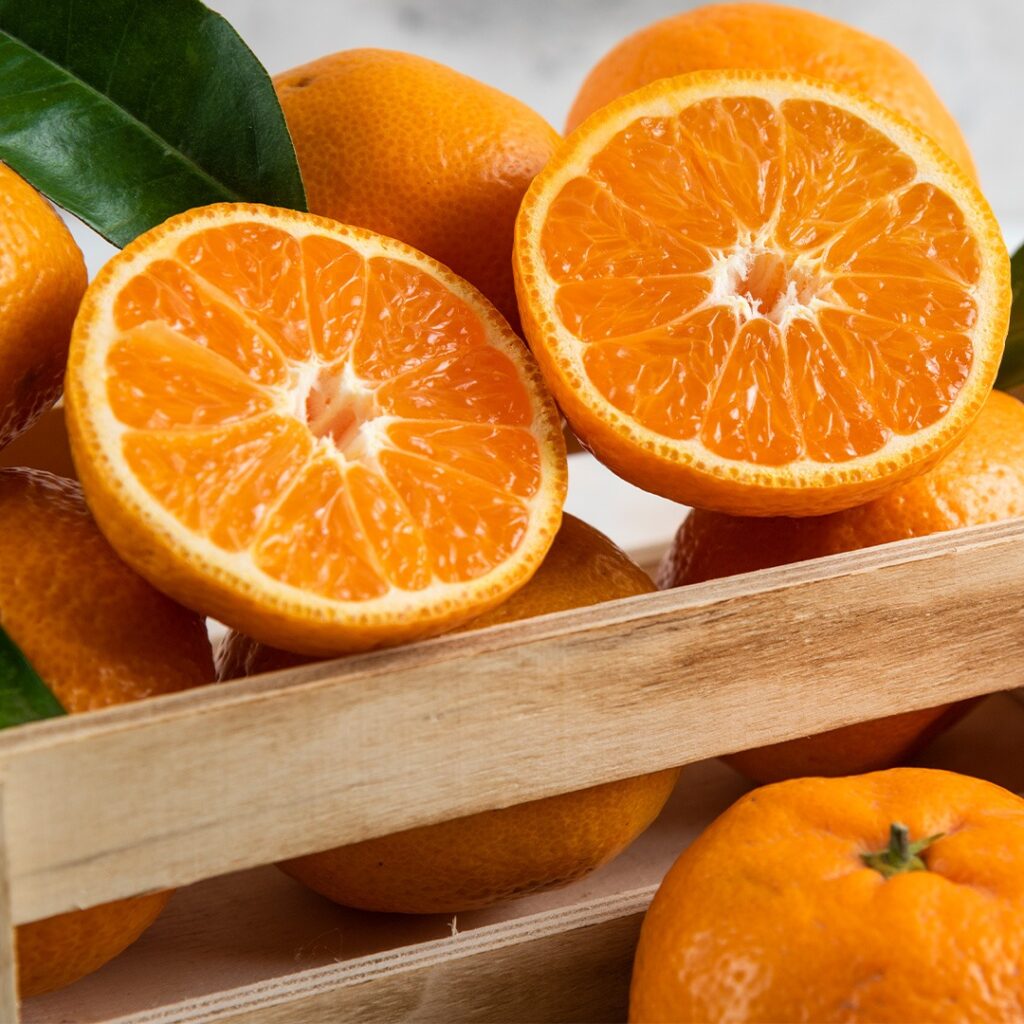
H4: 2. Oranges
Vitamin C content: 97 mg (109% DV) for a large piece
Your home likely has an orange supply, and with its convenient sizing, it contains the right amount of vitamin C that can supplement your daily needs. With its versatility, an orange can be paired in a nutrient-dense meal like oatmeal, or if you’re up for a refreshing drink, a freshly squeezed orange juice will do, and it could also boost your vitamin C intake for the day.
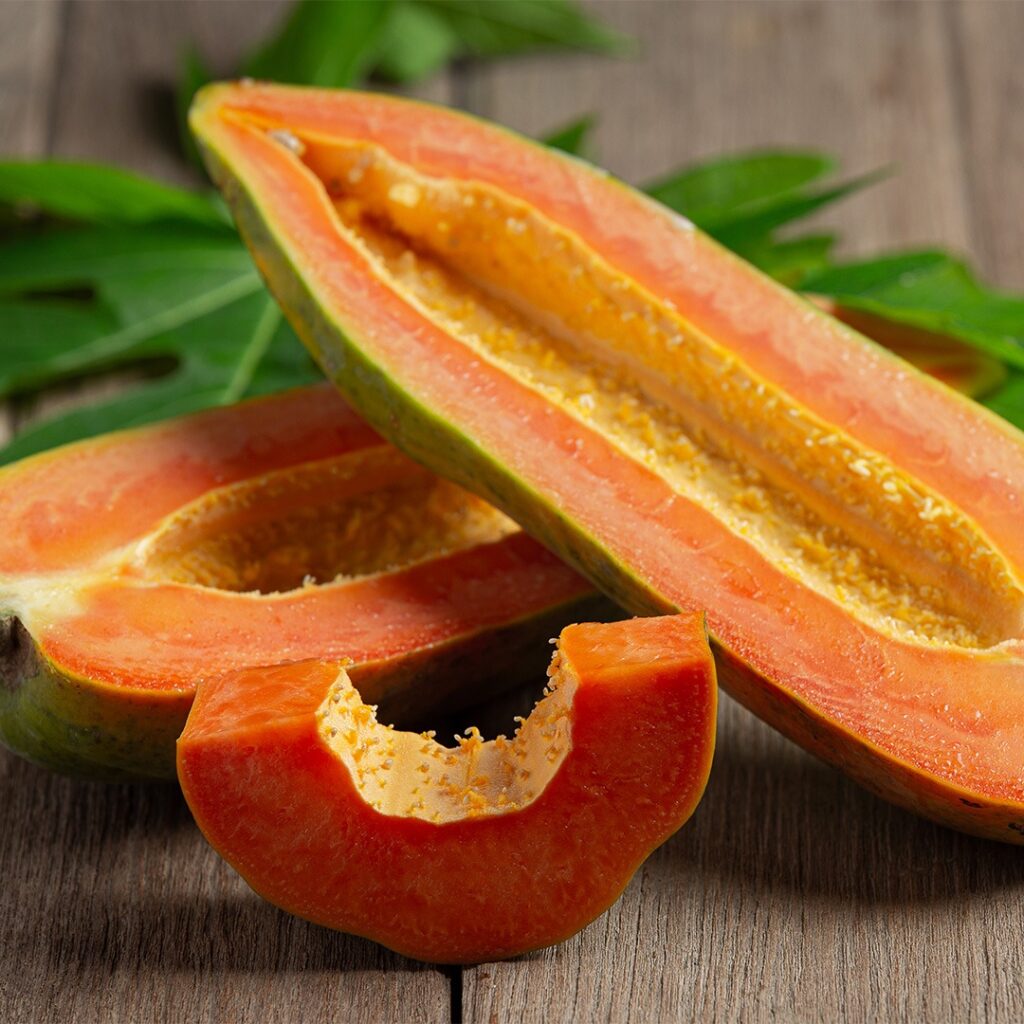
H4: 3. Papaya
Vitamin C content: 95 mg (100% DV) for a medium-sized piece
A very filling fruit that eases your digestion and keeps you full for a longer time. Beyond its nutrients, it’s especially recommended if weight loss is part of your diet plan.
H4: 4. Mango
Vitamin C content: 60 mg (67% DV) for a medium-sized piece
This sweet delight, a popular treat during summer or the dry season, is a decent source of vitamin C. With the creative preparations its sweet flavor allows, it can be made into fruit salad, fruit juice, or enjoyed as it is. Just remember to avoid adding too much sugar when preparing it as a dessert, since mango is already high in sugar.
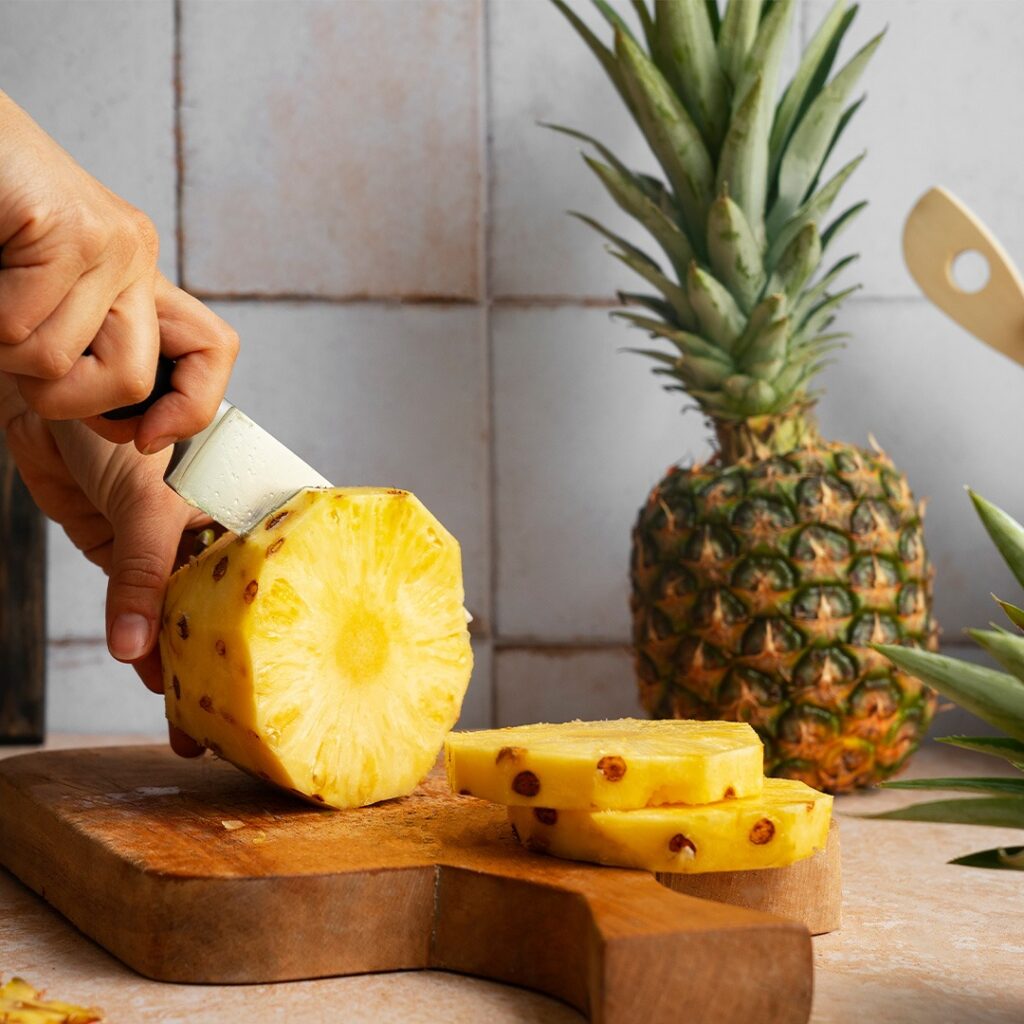
H4: 5. Pineapple
Vitamin C content: 79 mg (88% DV) per cup
They say pineapple eats you back. That’s because of bromelain, an enzyme that breaks down protein-dense food, making it easier to digest.
H4: 6. Strawberries
Vitamin C content: 83 mg (92% DV) per cup
More than helping your immune system, strawberries are beneficial to your heart, as they help lower bad cholesterol and have high levels of antioxidants that fight inflammation.
H3: Vegetables
H4: 1. Tomatoes
Vitamin C content: 171 mg (190% DV) per 8 oz serving
Tomatoes are a common kitchen staple that are more than just tasty. They are a surprisingly good source of vitamin C and can be eaten raw, cooked, or mixed into soups and sauces.
H4: 2. Bell peppers
Vitamin C content: 213 mg (237% DV) per cup
Whether eaten raw as a snack or added to a stir-fry, bell peppers, one of the highest vegetable sources of vitamin C, add a delightful crunch and vivid color to any meal.
H4: 3. Broccoli
Vitamin C content: 51 mg (57% DV) for half a cup of cooked broccoli
A powerhouse vegetable that delivers a solid dose of vitamin C even in small servings, broccoli is a simple and filling addition to your plate whether steamed, roasted, or added to soups.
H4: 4. Spinach
Vitamin C content: 30 mg (33% DV) per 3 cups
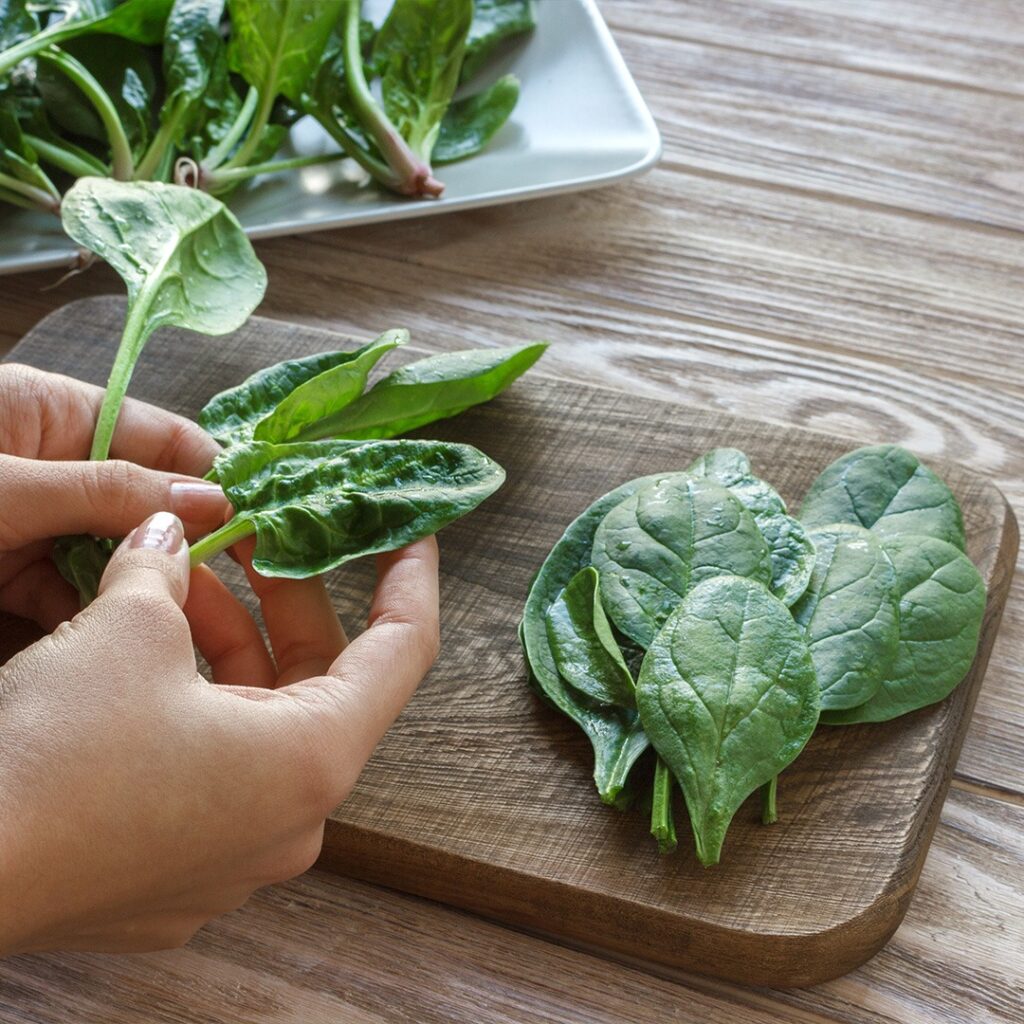
Spinach is a mild and easy-to-use leafy green that adds vitamin C to your diet without you even noticing. You can toss it into salads, blend it into smoothies, or wilt it into warm dishes with little effort.
H2: Vitamin C Daily Intake: How Much Vitamin C Per Day?
The Recommended Dietary Allowance (RDA) is the amount of vitamin C you should eat every day to stay healthy. The Tolerable Upper Intake Level (UL) is the most vitamin C you can safely eat without putting your health at risk.
It’s important to get enough vitamin C every day, but it’s also important to stay within safe limits. The UL for adults is 2,000 mg of vitamin C per day. Taking more than this amount can cause health problems like stomach pain and kidney stones.
H2: More Than Diet, Build the Habit
Maintaining your vitamin C consumption is just one piece of a bigger puzzle when it comes to building a truly healthy lifestyle. Including other essential nutrients—like vitamin D, B vitamins, magnesium, zinc, and healthy fats—helps your body absorb and utilize everything more effectively, so no single nutrient works in isolation.
Beyond nutrition, other lifestyle changes you build around your diet matter as much. Staying physically active, managing your stress, getting quality sleep, and having regular checkups can ensure improvement for your overall health.
If you are experiencing hyperacidity, acid reflux, heartburn, or indigestion, it’s a good idea to limit intake of foods with high citric acid content to avoid irritation. Instead, vitamin C supplement options are available as sodium ascorbate, which is gentler on the stomach because of its buffered, non-acidic form of vitamin C, making it generally safer.
5 Warning Signs of a Weak Immune System You Shouldn’t Ignore (Immunodeficiency)
Lead in:Feeling tired and getting sick easily? Maybe your immune system is already giving you a signal. Here are 5 warning signs you should never ignore
A weak immune system, or immunodeficiency, is a condition where the immune system has a problem working properly. Meaning, it experiences difficulty in fighting off bacteria and viruses that may enter one’s body.
If you’ve been feeling off or tired lately and can’t quite explain why, your immune system could be the cause. Factors such as poor diet, lack of sleep, and chronic stress can all take a toll your body’s natural defenses. Over time, these habits weaken your ability to stay healthy. Let’s break down the most common warning signs to watch out for.
H2: Watch Out for These 5 Key Signs
H3: 1. Frequent colds
Regularly catching colds or finding it hard to recover from your sickness could be a telltale sign your body is having difficulty fighting off the viruses
H3: 2. Getting sick more often than usual
Similar to colds, if you easily catch an infectious disease like the flu, pneumonia, bronchitis, sinusitis, or skin problems, it could mean your body isn’t capable of defending itself well.
H3: 3. Slow wound healing
If you have a wound that takes weeks to heal even with proper cleaning and treatment, something may be off. Commonly, wounds like cuts, scrapes, blisters, burns, or canker sores (singaw) typically take a few days to heal; otherwise, there’s something wrong within your body.
H3: 4. Feeling weak and tired
Despite having enough rest and sleep, if you notice your energy crashing out easily and feeling fatigued or exhausted most of the time, it may be a sign of a weak immune system.
H3: 5. Frequent digestive problems
Visiting the toilet multiple times a day due to diarrhea, stomach ache, constipation, or feelings of bloating can be a warning sign of a weak immune system. Research indicates that a significant portion of the immune function resides in the gut. If your digestive system is constantly asking for help, it may indicate that there is an imbalance in gut bacteria.
H2: How to Strengthen a Weak Immune System
The good news is that you don’t have to live with a weak immune system. You can gradually make your body’s defenses stronger and your health better by changing some things about your life and adopting healthy habits.
H3: Regular physical activity
Exercising regularly improves mood and reduces stress. In fact, allotting 30 minutes of exercise three days a week is enough to gain health benefits—whether by walking, jogging, or any activities you enjoy.
H3: Protect yourself from potential sickness
Practice good hygiene by washing your hands regularly or using alcohol-based sanitizer, especially after outdoor activities or daily commutes. Additionally, wear a face mask if there is a potential risk of getting sick from others.
H3: Have a proper diet
Avoid alcohol, smoking, and processed foods, as these can make it difficult for your body to combat viruses and diseases. Instead, focus on whole, nutrient-rich foods that support your overall health.
H3: Take Vitamin C
Vitamin C supports immune function and can help your body defend against illnesses. You can get it through fruits like oranges and strawberries or through supplements.
H2: Don’t Ignore What Your Body is Telling You
Your body is smarter than you think. When something is off, it finds ways to let you know. When something is wrong, it finds ways to let you know. These signs are easy to ignore as everyday stress or just being under the weather. But it’s best to pay attention as soon as you can.
That being said, if these warning signs don’t go away even after you’ve done everything you can, it’s always a good idea to talk to a doctor. Some instances of immunodeficiency need medical attention in addition to lifestyle changes. If you’re not sure, don’t wait—listen to your body before it has to yell.
Fletcher, J. (2020, April 8). How to stay healthy with a weak immune system. Medicalnewstoday.com; Medical News Today. https://www.medicalnewstoday.com/articles/324930Booth, S. (2015, October 29).