
Trevenodd Logo

Reasons Why A Clean Home Is Important For Your Child’s Health

Lead in: It’s time to pick up the broom, declutter, and create a safer and healthier space for your child

Keeping your home clean can be a challenge and a chore that is difficult to tick off the list, especially when you have a packed schedule and a long list of priorities competing for your attention. But when you have children, maintaining a clean and tidy living space is an essential part of building a safe and healthy environment for them to grow up in. 

Managing a clean home can feel overwhelming at first, particularly when everything looks messy and unsure where to begin. But you must always remember your utmost priority when you have a child of your own—their health.

H2: Help Ease Asthma and Allergies

If your children are constantly sneezing or having asthma attacks despite staying at home most of the time, old clothes, toys, or furniture that are no longer in use or functional may be one of the culprits. These items tend to pile up dust, triggering asthma and allergies.

It’s important to regularly declutter non-essential items to improve air quality and keep your children safe and healthy. Make it a habit to clear out unused belongings and wash beddings and curtains—these simple but effective ways can go a long way in reducing triggers and potential respiratory problems in your home. 

H2: Supports Mental and Emotional Well-being

Studies state that exposure to unstable and poorly maintained home environments can cause children to have chronic stress—and those who are in early childhood and teenage years are particularly sensitive to this.

That is why keeping a tidy home is an essential practice for reducing stress risks and promoting focus and productivity in children. This is especially important during these formative years, when they need the most support for their mental and emotional development. 

On top of that, children naturally mirror the habits they see at home, picking up cleanliness and tidying as a valuable life skill they will carry with them as they grow.

H2: Creates a Safe Space to Play

When a home is clean and organized, it provides your children with the freedom to move and explore in a larger space and play without unnecessary risks. Clutter on the floor and misplaced objects can all pose potential hazards—from tripping over toys to coming into contact with harmful germs, bacteria, and viruses that can cause infections like colds and stomach bugs. A tidy space simply keeps your little ones healthier and more active every day.

To take it a step further, consider using air filters or purifiers to help maintain cleaner air circulation throughout your home, adding an extra layer of protection against airborne germs and bacteria.

H2: A Clean Home Is a Healthy Home

One of the best things you can do for your kids is keep your home clean and tidy. You may start small, stay consistent, and remember—every time you clean your home, you are investing in your child’s future.

REFERENCES

richard. (2023, November 3). Bio-One of Scottsdale. Bio-One of Scottsdale. https://www.bioonescottsdale.com/the-importance-of-a-clean-and-organized-home/

‌Borman, A. (2025, September 11). How a Clean Home Environment Supports Children’s Mental and Physical Health. American SPCC. https://americanspcc.org/how-a-clean-home-environment-supports-childrens-mental-and-physical-health/

‌Schmeer, K. K., & Yoon, A. J. (2016). Home sweet home? Home physical environment and inflammation in children. Social Science Research, 60, 236–248. https://doi.org/10.1016/j.ssresearch.2016.04.001

‌Team, M. (2024). The Best Granite Ceramics in Indonesia | Meliuz. Meliuzgranite.com. https://meliuzgranite.com/en

Health Benefits of Cleaning. (2019). Rush.edu. https://www.rush.edu/news/health-benefits-cleaning

‌(2024, March 13). Clean Club Calgary. https://cleanclubcalgary.com/2024-3-27-reasons-why-you-should-prioritize-cleaning-your-home/
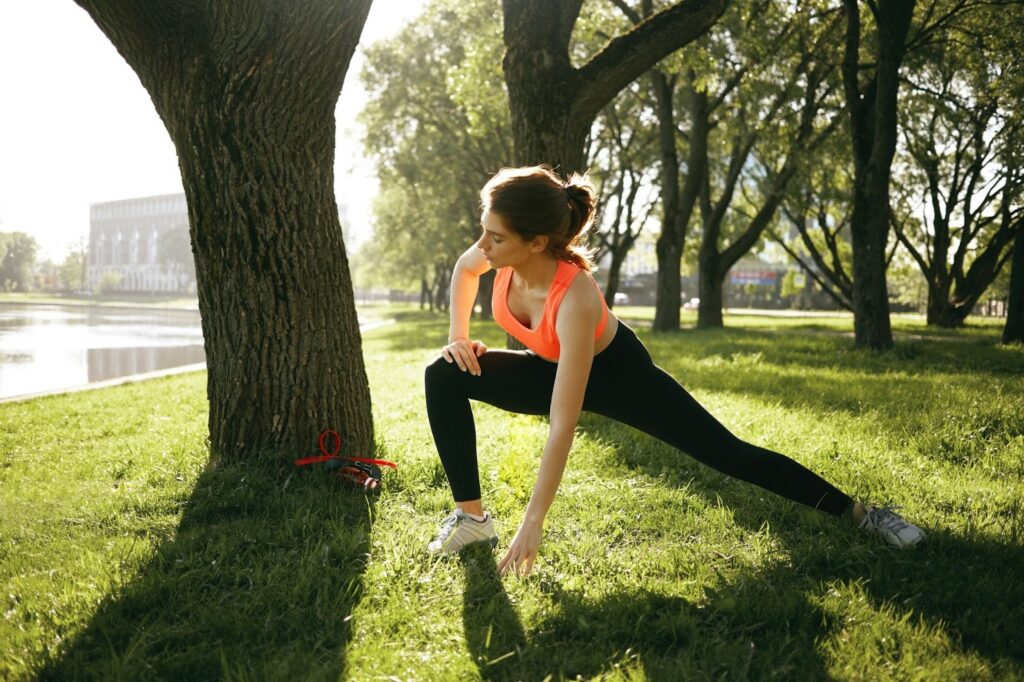

7 Healthy Habits For a Happier And Longer Life

Lead in: Follow these 7 healthy habits to liver better

You’ve probably repeatedly heard the buzzphrase “healthy habits” as key advice to achieving a healthy life—and for good reason. Studies have supported that our daily practices and routines have a huge impact on our health. In fact, approximately 80% of chronic diseases are linked to the everyday choices we make.

But it’s never too late to make a change! No matter how old you are or what phase of life you are in, the opportunity to live better is always something you can work toward. Below are simple healthy habits you can set to put you on the path toward a healthier, happier, and longer life.

  1. Get your daily exercise

One of the most popular ways to get fit these days is su    rprisingly simple—walking. The current trend in the journey to get fit is to aim for 10k steps a day, or roughly 8 kilometers. Just by simply walking or jogging for more than 40 minutes, you can burn anywhere from 300 to 600 calories a day. The best part? It doesn’t have to be done all at once—you may split it throughout your day. From your morning commute all the way to clocking out of work for the day, you can work toward hitting that step target.

Research also suggests that regular walking can lower the risk of premature death. But at the end of the day, it’s not just about finishing 10k steps. It’s about staying active and keeping your body in motion. Any movement is better than sitting all day. And if walking is not ideal to your situation, any physical activity for at least 30 minutes, 5-6 days a week, can go a long way in strengthening your overall health.

  1. Eat a balanced and healthy diet

As they say, “You can’t outrun a bad diet.” No matter how many hours you dedicate to exercising, consuming more calories than you burn will slow your progress or stall it entirely.

Choosing the right foods makes all the difference. Whole foods like green leafy vegetables, fruits, and nuts can make a difference in your gut health and reduce the risk of cardiovascular diseases. The fun of it is these foods tend to be lower in calories—meaning you can adjust their portions without bearing the guilt.

On the other side, meals available in your favorite fast food and sugary snacks in grocery stores offer little nutritional value while quietly packing on the calories

It all comes down to awareness. That medium fries and soda combo? It could take over an hour of exercise just to burn it off. Taking control of what you eat and how much of it is one of the most powerful steps you can take toward a healthier habit.

  1. Stay hydrated throughout the day

The first thing most people reach for to drink in the morning is coffee—hardly ever water. Even with a bottle of water sitting right there on the desk, we tend to ignore or forget it. Over time, it has become a norm to go through the entire day just drinking tea, soda, or other sugar-packed beverages instead.

But the benefits of proper hydration should never be underestimated. The human body is made up of 60% water—and that alone says a lot. That’s why it’s important to maintain more than 13 cups (3 liters) a day; it can help regulate the body’s temperature, flush out toxins from organs, improve digestion, and stimulate metabolism.

And if you’re on a weight loss journey, water might just be your best friend. It helps you feel fuller faster, making you consume fewer meals throughout the day.

  1. Stop smoking

With the rising prices due to inflation, smoking has become a ridiculously expensive vice—costly not just for your pocket, but more importantly, for your health. 


Every cigarrette you light up slowly damages your overall organs, quietly taking a toll on your body over time. What’s worse, the effects don’t stop with you. The harmful effects of secondhand smoke pose risks to other people and even the pets you live with. Simply put, no cigarette is ever worth the price you pay—both financially and physically.

  1. Manage your stress

Deadlines, workloads, and financial struggles—all of these boil down to stress, and it comes from everywhere. Although problems are unavoidable, stress can still be managed. 

It’s important to not dwell on your problems. Taking short breaks can help you reorganize your thoughts and recharge. Don’t hesitate to seek support from others to help ease the burden you are carrying. However, if stress has already disrupted your daily routine and is taking a toll on your overall health, it’s important to seek professional help.

  1. Get enough rest and quality sleep

In a world that glorifies being busy, sleep is often the first thing we sacrifice—but it shouldn’t be. Sleep is when your body repairs itself and restores energy for the day ahead. Adults are generally recommended to get 7 to 9 hours of quality sleep each night to function at their best.

Poor sleep, when left unaddressed, can lead to a weakened immune system, weight gain, mood swings, and an increased risk of chronic conditions such as diabetes and heart disease. Establishing a consistent sleep schedule, limiting caffeine intake in the afternoon, and creating a relaxing bedtime routine can go a long way in improving the quality of your rest.

  1. Spend time outdoors regularly

Stepping outside and soaking up fresh air and natural light does more for your health than most people realize. Spending time outdoors has been shown to reduce stress, improve mood, and boost vitamin D levels. While you’re at it, use this as an opportunity to stay socially connected—invite a friend or family member for a walk or a catch-up outdoors, and leave your screens behind while you’re at it.

H2: Small Habits, Big Changes

Living a healthier and longer life doesn’t require a complete overnight overhaul. It’s the small, intentional habits practiced day after day that truly make a difference. Start today, stay consistent, and give yourself grace along the way—your future self will thank you.

REFERENCES

Noble, D. (2024, August 22). How Many Steps A Day is Good? | Does Hitting 10,000 Steps A Day Really Make A Difference? – Mayo Clinic Press. Mayo Clinic Press.
https://mcpress.mayoclinic.org/nutrition-fitness/does-hitting-10000-steps-a-day-really-make-a-difference/

‌jwomack. (2017, September 27). 7 Healthy Habits for a Healthy Life. Living Magazine. https://livingmagazine.net/7-healthy-habits-healthy-life
Petre, A. (2019, April 8). Habits to Form Now for a Longer Life. Healthline; Healthline Media. https://www.healthline.com/nutrition/13-habits-linked-to-a-long-life#sleep

Creating healthy habits. (2025, August 18). Healthdirect.gov.au; Healthdirect Australia. https://www.healthdirect.gov.au/creating-healthy-habits

‌Katz, D. L., Frates, E. P., Bonnet, J. P., Gupta, S. K., Vartiainen, E., & Carmona, R. H. (2017). Lifestyle as Medicine: The Case for a True Health Initiative. American Journal of Health Promotion, 32(6), 1452–1458. https://doi.org/10.1177/0890117117705949

15 daily good habits for your health. (2024). Vinmec International Hospital. https://www.vinmec.com/eng/blog/15-habits-that-are-good-for-your-health-every-day-en

‌Why. (2022, July 21). Why it’s important for you to drink water and stay hydrated | Good Food Is Good Medicine. Good-Food; UC Davis Health. https://health.ucdavis.edu/blog/good-food/why-its-important-for-you-to-drink-water-and-stay-hydrated/2022/07

https://www.facebook.com/WebMD. (2017, January 31). How Much Water Should I Drink a Day? WebMD. https://www.webmd.com/diet/how-much-water-to-drink

7 Tips to Avoid Stress – NYC Health + Hospitals. (2016). NYC Health + Hospitals. https://www.nychealthandhospitals.org/healthtips/7-tips-to-avoid-stress/