Trevenodd Logo

Reasons Why A Clean Home Is Important For Your Child’s Health

Lead in: It’s time to pick up the broom, declutter, and create a safer and healthier space for your child

Keeping your home clean can be a challenge and a chore that is difficult to tick off the list, especially when you have a packed schedule and a long list of priorities competing for your attention. But when you have children, maintaining a clean and tidy living space is an essential part of building a safe and healthy environment for them to grow up in. 

Managing a clean home can feel overwhelming at first, particularly when everything looks messy and unsure where to begin. But you must always remember your utmost priority when you have a child of your own—their health.

H2: Help Ease Asthma and Allergies

If your children are constantly sneezing or having asthma attacks despite staying at home most of the time, old clothes, toys, or furniture that are no longer in use or functional may be one of the culprits. These items tend to pile up dust, triggering asthma and allergies.

It’s important to regularly declutter non-essential items to improve air quality and keep your children safe and healthy. Make it a habit to clear out unused belongings and wash beddings and curtains—these simple but effective ways can go a long way in reducing triggers and potential respiratory problems in your home. 

H2: Supports Mental and Emotional Well-being

Studies state that exposure to unstable and poorly maintained home environments can cause children to have chronic stress—and those who are in early childhood and teenage years are particularly sensitive to this.

That is why keeping a tidy home is an essential practice for reducing stress risks and promoting focus and productivity in children. This is especially important during these formative years, when they need the most support for their mental and emotional development. 

On top of that, children naturally mirror the habits they see at home, picking up cleanliness and tidying as a valuable life skill they will carry with them as they grow.

H2: Creates a Safe Space to Play

When a home is clean and organized, it provides your children with the freedom to move and explore in a larger space and play without unnecessary risks. Clutter on the floor and misplaced objects can all pose potential hazards—from tripping over toys to coming into contact with harmful germs, bacteria, and viruses that can cause infections like colds and stomach bugs. A tidy space simply keeps your little ones healthier and more active every day.

To take it a step further, consider using air filters or purifiers to help maintain cleaner air circulation throughout your home, adding an extra layer of protection against airborne germs and bacteria.

H2: A Clean Home Is a Healthy Home

One of the best things you can do for your kids is keep your home clean and tidy. You may start small, stay consistent, and remember—every time you clean your home, you are investing in your child’s future.

REFERENCES

richard. (2023, November 3). Bio-One of Scottsdale. Bio-One of Scottsdale. https://www.bioonescottsdale.com/the-importance-of-a-clean-and-organized-home/

‌Borman, A. (2025, September 11). How a Clean Home Environment Supports Children’s Mental and Physical Health. American SPCC. https://americanspcc.org/how-a-clean-home-environment-supports-childrens-mental-and-physical-health/

‌Schmeer, K. K., & Yoon, A. J. (2016). Home sweet home? Home physical environment and inflammation in children. Social Science Research, 60, 236–248. https://doi.org/10.1016/j.ssresearch.2016.04.001

‌Team, M. (2024). The Best Granite Ceramics in Indonesia | Meliuz. Meliuzgranite.com. https://meliuzgranite.com/en

Health Benefits of Cleaning. (2019). Rush.edu. https://www.rush.edu/news/health-benefits-cleaning

‌(2024, March 13). Clean Club Calgary. https://cleanclubcalgary.com/2024-3-27-reasons-why-you-should-prioritize-cleaning-your-home/


7 Healthy Habits For a Happier And Longer Life

Lead in: Follow these 7 healthy habits to liver better

You’ve probably repeatedly heard the buzzphrase “healthy habits” as key advice to achieving a healthy life—and for good reason. Studies have supported that our daily practices and routines have a huge impact on our health. In fact, approximately 80% of chronic diseases are linked to the everyday choices we make.

But it’s never too late to make a change! No matter how old you are or what phase of life you are in, the opportunity to live better is always something you can work toward. Below are simple healthy habits you can set to put you on the path toward a healthier, happier, and longer life.

  1. Get your daily exercise

One of the most popular ways to get fit these days is su    rprisingly simple—walking. The current trend in the journey to get fit is to aim for 10k steps a day, or roughly 8 kilometers. Just by simply walking or jogging for more than 40 minutes, you can burn anywhere from 300 to 600 calories a day. The best part? It doesn’t have to be done all at once—you may split it throughout your day. From your morning commute all the way to clocking out of work for the day, you can work toward hitting that step target.

Research also suggests that regular walking can lower the risk of premature death. But at the end of the day, it’s not just about finishing 10k steps. It’s about staying active and keeping your body in motion. Any movement is better than sitting all day. And if walking is not ideal to your situation, any physical activity for at least 30 minutes, 5-6 days a week, can go a long way in strengthening your overall health.

  1. Eat a balanced and healthy diet

As they say, “You can’t outrun a bad diet.” No matter how many hours you dedicate to exercising, consuming more calories than you burn will slow your progress or stall it entirely.

Choosing the right foods makes all the difference. Whole foods like green leafy vegetables, fruits, and nuts can make a difference in your gut health and reduce the risk of cardiovascular diseases. The fun of it is these foods tend to be lower in calories—meaning you can adjust their portions without bearing the guilt.

On the other side, meals available in your favorite fast food and sugary snacks in grocery stores offer little nutritional value while quietly packing on the calories

It all comes down to awareness. That medium fries and soda combo? It could take over an hour of exercise just to burn it off. Taking control of what you eat and how much of it is one of the most powerful steps you can take toward a healthier habit.

  1. Stay hydrated throughout the day

The first thing most people reach for to drink in the morning is coffee—hardly ever water. Even with a bottle of water sitting right there on the desk, we tend to ignore or forget it. Over time, it has become a norm to go through the entire day just drinking tea, soda, or other sugar-packed beverages instead.

But the benefits of proper hydration should never be underestimated. The human body is made up of 60% water—and that alone says a lot. That’s why it’s important to maintain more than 13 cups (3 liters) a day; it can help regulate the body’s temperature, flush out toxins from organs, improve digestion, and stimulate metabolism.

And if you’re on a weight loss journey, water might just be your best friend. It helps you feel fuller faster, making you consume fewer meals throughout the day.

  1. Stop smoking

With the rising prices due to inflation, smoking has become a ridiculously expensive vice—costly not just for your pocket, but more importantly, for your health. 


Every cigarrette you light up slowly damages your overall organs, quietly taking a toll on your body over time. What’s worse, the effects don’t stop with you. The harmful effects of secondhand smoke pose risks to other people and even the pets you live with. Simply put, no cigarette is ever worth the price you pay—both financially and physically.

  1. Manage your stress

Deadlines, workloads, and financial struggles—all of these boil down to stress, and it comes from everywhere. Although problems are unavoidable, stress can still be managed. 

It’s important to not dwell on your problems. Taking short breaks can help you reorganize your thoughts and recharge. Don’t hesitate to seek support from others to help ease the burden you are carrying. However, if stress has already disrupted your daily routine and is taking a toll on your overall health, it’s important to seek professional help.

  1. Get enough rest and quality sleep

In a world that glorifies being busy, sleep is often the first thing we sacrifice—but it shouldn’t be. Sleep is when your body repairs itself and restores energy for the day ahead. Adults are generally recommended to get 7 to 9 hours of quality sleep each night to function at their best.

Poor sleep, when left unaddressed, can lead to a weakened immune system, weight gain, mood swings, and an increased risk of chronic conditions such as diabetes and heart disease. Establishing a consistent sleep schedule, limiting caffeine intake in the afternoon, and creating a relaxing bedtime routine can go a long way in improving the quality of your rest.

  1. Spend time outdoors regularly

Stepping outside and soaking up fresh air and natural light does more for your health than most people realize. Spending time outdoors has been shown to reduce stress, improve mood, and boost vitamin D levels. While you’re at it, use this as an opportunity to stay socially connected—invite a friend or family member for a walk or a catch-up outdoors, and leave your screens behind while you’re at it.

H2: Small Habits, Big Changes

Living a healthier and longer life doesn’t require a complete overnight overhaul. It’s the small, intentional habits practiced day after day that truly make a difference. Start today, stay consistent, and give yourself grace along the way—your future self will thank you.

REFERENCES

Noble, D. (2024, August 22). How Many Steps A Day is Good? | Does Hitting 10,000 Steps A Day Really Make A Difference? – Mayo Clinic Press. Mayo Clinic Press.
https://mcpress.mayoclinic.org/nutrition-fitness/does-hitting-10000-steps-a-day-really-make-a-difference/

‌jwomack. (2017, September 27). 7 Healthy Habits for a Healthy Life. Living Magazine. https://livingmagazine.net/7-healthy-habits-healthy-life
Petre, A. (2019, April 8). Habits to Form Now for a Longer Life. Healthline; Healthline Media. https://www.healthline.com/nutrition/13-habits-linked-to-a-long-life#sleep

Creating healthy habits. (2025, August 18). Healthdirect.gov.au; Healthdirect Australia. https://www.healthdirect.gov.au/creating-healthy-habits

‌Katz, D. L., Frates, E. P., Bonnet, J. P., Gupta, S. K., Vartiainen, E., & Carmona, R. H. (2017). Lifestyle as Medicine: The Case for a True Health Initiative. American Journal of Health Promotion, 32(6), 1452–1458. https://doi.org/10.1177/0890117117705949

15 daily good habits for your health. (2024). Vinmec International Hospital. https://www.vinmec.com/eng/blog/15-habits-that-are-good-for-your-health-every-day-en

‌Why. (2022, July 21). Why it’s important for you to drink water and stay hydrated | Good Food Is Good Medicine. Good-Food; UC Davis Health. https://health.ucdavis.edu/blog/good-food/why-its-important-for-you-to-drink-water-and-stay-hydrated/2022/07

https://www.facebook.com/WebMD. (2017, January 31). How Much Water Should I Drink a Day? WebMD. https://www.webmd.com/diet/how-much-water-to-drink

7 Tips to Avoid Stress – NYC Health + Hospitals. (2016). NYC Health + Hospitals. https://www.nychealthandhospitals.org/healthtips/7-tips-to-avoid-stress/

Silymarin and Vitamin B1, B6, B12

Lead in: Curious how Silymarin and Vitamins B1, B6, and B12 do for your body?

Your liver is one of the busiest organs in your body, operating 24/7 without rest. It filters your blood, breaks down nutrients, and stores important vitamins and minerals. But when bad lifestyle choices are made, your liver takes the hit. When a sedentary lifestyle and bad diet persist, over time, they can lead to serious problems like fatty liver disease.

If you have liver disease, you may have noticed that most liver support supplements contain silymarin and a mix of multivitamins. It’s normal to be curious about where these nutrients come from and what they do to know what you’re putting in your body.

Here, we break down the most common ingredients found in liver health supplements.

H2: Silymarin

Liver health supplements and medications often feature silymarin in their products—and you have probably encountered it in ads on TV, while scrolling through social media, or even on the radio. This naturally occurring compound is derived from the milk thistle plant native to Europe and has become a staple ingredient in liver health products.

Research suggests that silymarin acts as a hepatoprotective agent—it may help prevent or reduce liver damage and has other potential benefits that include promoting liver cell regeneration and reducing blood cholesterol. Some of the diseases that silymarin may help with include cirrhosis, damage, fatty liver disease, and damage caused by harmful substances such as alcohol and certain medications.

However, keep in mind that science on silymarin is still not entirely clear-cut. While studies have been going on for a long time, it should not be viewed as a guaranteed treatment for any conditions. It’s always best to consult a healthcare professional before trying it out. 

H2: Vitamin B1


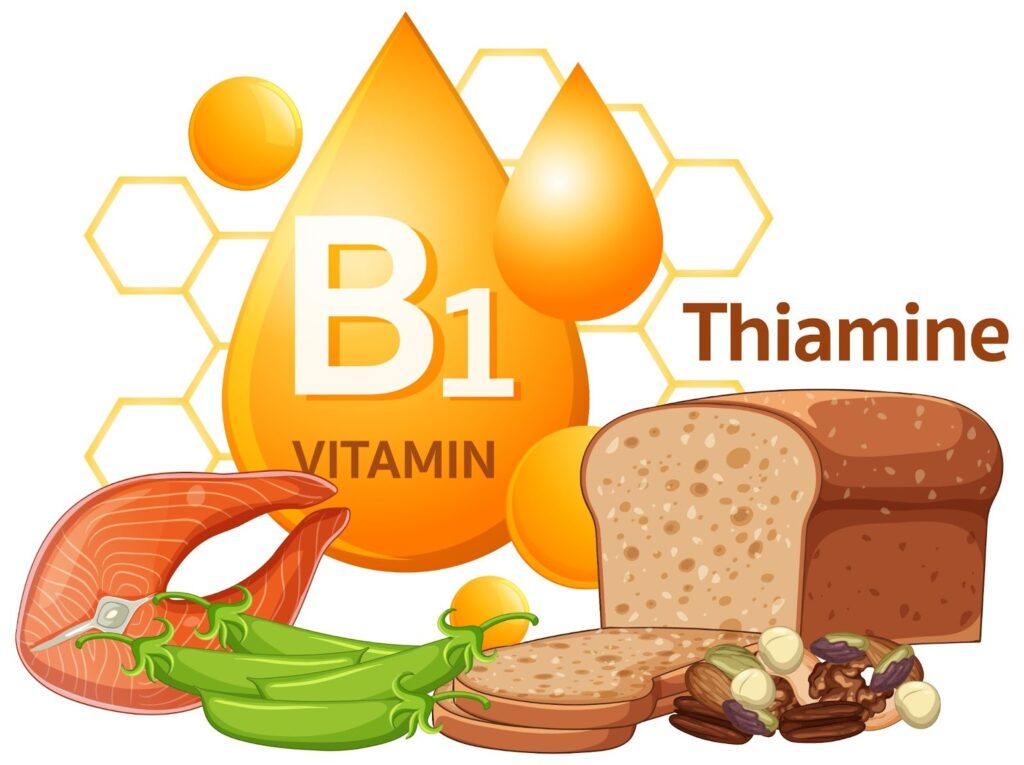
Vitamin B1, also known as thiamine, is one of the eight essential B vitamins needed by the body because of its benefits in keeping our immune system, brain function, and heart healthy. 

In fact, humans cannot produce thiamine naturally and must obtain it from food we eat or through supplements.

When it comes to liver health, vitamin B1 plays an important role as the liver stores thiamine to support proper metabolic function. Since thiamine deficiency is frequently observed in individuals with chronic alcohol consumption, it is crucial that sufficient intake of this nutrient be ensured. Without sufficient thiamine, the body may experience impaired carbohydrate metabolism, which can increase the risk of liver disease.

H2: Vitamin B6

Vitamin B6 (pyridoxine) has a range of benefits and is mostly available in a variety of foods we eat—from tuna, salmon, red meat, and poultry meat to dark leafy vegetables. 

One of vitamin B6’s important functions lies in the work of metabolism, which is where the liver comes in. Vitamin B6 helps the liver process nutrients by breaking down proteins, fats, and carbohydrates. This improves the liver’s ability to handle nutrients and lowers the accumulation of excess fat that can cause fatty liver disease.

Additionally, vitamin B6 has anti-inflammatory benefits, helping the body regulate its immune response and prevent excessive inflammation. Which is valuable help to the liver in avoiding strain that may result in chronic conditions.

H2: Vitamin B12

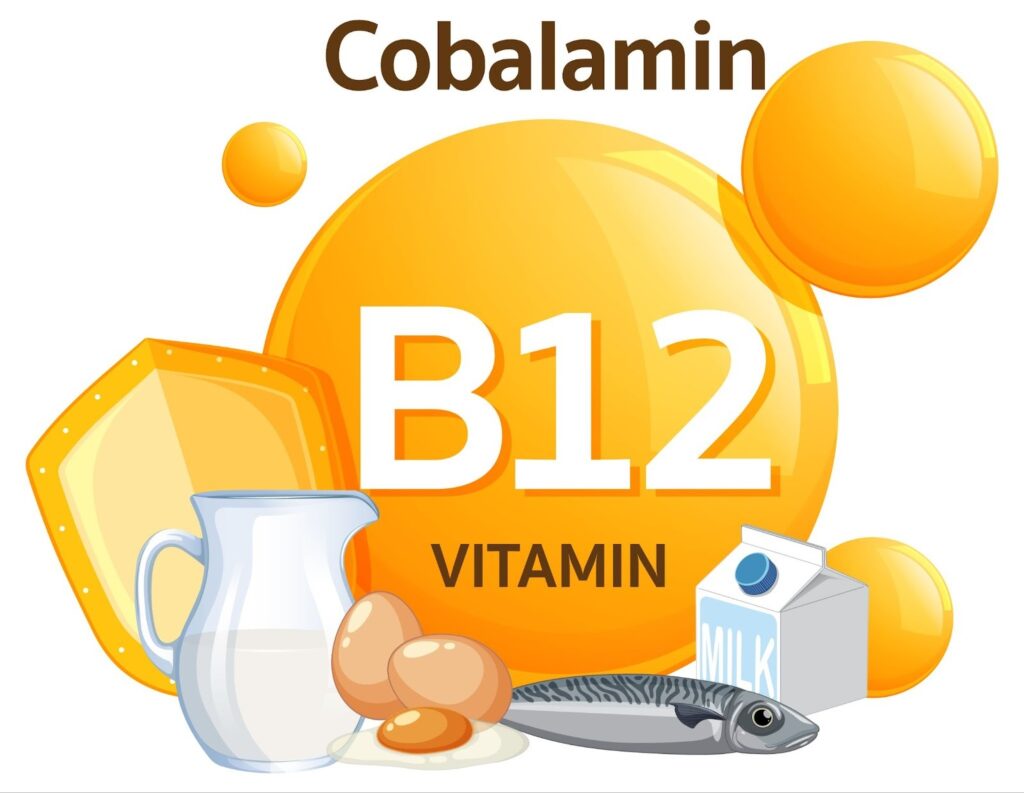
Similar to vitamin B1, the liver is also the primary reservoir of vitamin B12, or cobalamin. The human body cannot produce vitamin B12, so food sources such as meat, fish, poultry, or supplementation can provide this essential nutrient.

Vitamin B12 is very important for DNA repair and making red blood cells. This makes it a key part of preventing anemia and keeping cells healthy in general. This function is especially important for the liver, as vitamin B12 helps maintain healthy liver cells, allowing the organ to recover efficiently from damage caused by toxin exposure and perform its vital functions more effectively.

H2: Bottomline

Silymarin, Vitamins B1, B6, and B12 each play a distinct but complementary role in keeping your liver healthy and functioning at its best. While these nutrients show promising benefits, they work best as part of an overall healthy lifestyle—not as a substitute for one. As always, consult your doctor or a healthcare professional before adding any supplement to your routine to make sure it’s the right fit for you.

REFERENCES

Mga Dapat Kainin ng May Sakit Sa Atay

Alamin ang mga pagkaing makatutulong sa pagpapagaling ng sakit sa atay

Kung ikaw o ang mahal mo sa buhay ay may karamdam o sakit sa atay tulad ng fatty liver disease, isa sa pangunahing pinapayo ng doktor ay ang pagkakaroon ng lifestyle changes–at inuumpisahan ito sa tamang pagkain na ihahain sa inyong mesa.

Mahirap sa umpisa dahil ang mga putok-batok na cravings kagaya ng crispy pata, lechon, at lalong-lalo na ang alak na mabenta tuwing handaan at selebrasyon ay nararapat iwasan– pakiramdam mo, kasama na rin ang kasiyahan sa mga ipinagbabawal. Pero dapat tandaan, na ang daan patungo sa malusog na atay ay hindi naman kailangang mahal o mahirap hagilapin.

Marami sa mga pagkaing mabuti para sa iyong atay ay abot-kaya at mabibili sa pinakamalapit na palengke o grocery. Narito ang ilang pagkain na maari mong idagdag sa iyong diet plan:

H2: Isda at iba pang seafoods

Para sa may sakit sa atay, ang matatabang isda tulad ng salmon, tuna, at tanigue ay mayaman sa omega-3 fatty acids na nakatutulong sa pagbabawas ng pamamaga at pagprotekta sa atay. Bilang lean protein, maaari itong gamitin bilang substitute ng baka at baboy.

H2: Gulay

Inirerekomenda ang pagkain ng tatlong servings ng gulay araw-araw. Ang mga gulay kagaya ng brocolli ay nakatutulong sa pagpigil ng pamumuo ng taba sa atay at pagbabawas ng timbang, na direktang kapaki-pakinabang kung may sakit ka sa atay. 

Pumili rin ng leafy vegetables o madadahong gulay tulad ng spinach na may taglay na gluthathione na mabuti sa pag-detoxify at pagprotekta ng selula ng atay mula sa pinsala. Mainam na iwasan ang mga gulay mataas sa starch tulad ng patatas. 

H2: Kape

Ayon sa pag-aaral ng American Institute for Cancer Research (AICR), ang mga madalas na umiinom ng kape ay mas mababa ng 20% ang tsansa na magkakaroon ng chronic o fatty liver disease. Nakatutulong din ito sa pagbaba ng abnorma levels ng liver enzymes. Inirerekomenda na tatlong tasa ng kape ang inumin kada araw nang walang dagdag na creamer o asukal para mapanatili ang benepisyo nito.

H2: Garlic o Bawang

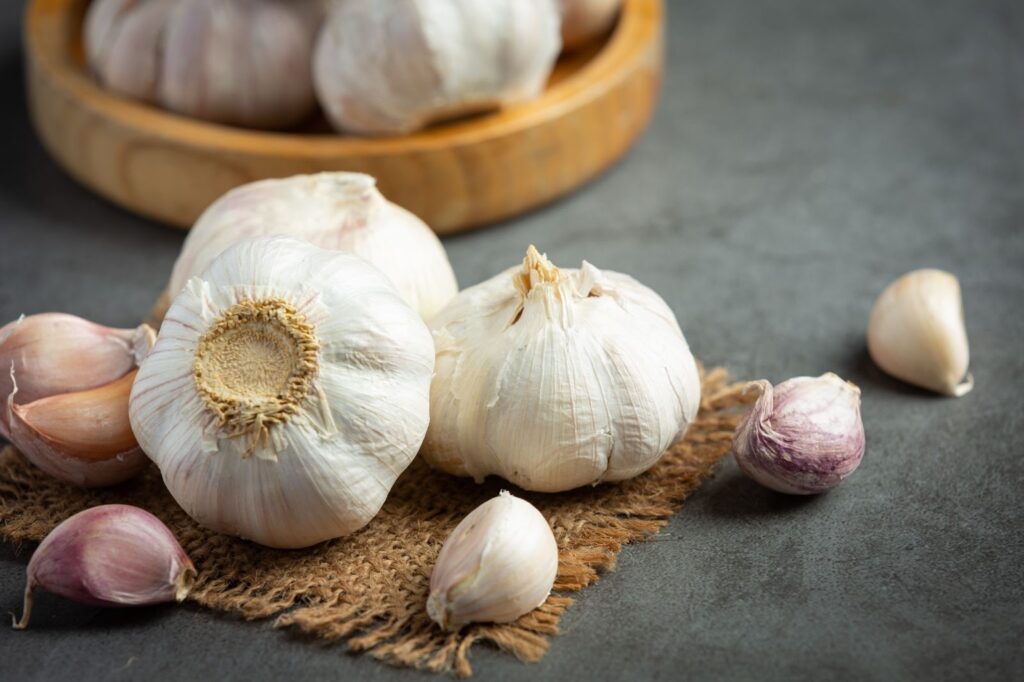
Bukod sa pagiging pangunahing sangkap sa mga Filipino dishes, tinuturing na superfood ang bawang dahil sa mataas nitong nutritional content. Naglalaman ito ng allicin at iba pang active compounds na may anti-inflammatory at antioxidant na katangian na nakatutulong sa pagpapalakas ng kalusugan ng atay. Kung gusto mo ng mas mataas na garlic content, maaring pumili ng garlic supplements bilang alternative. 

H2: Almonds

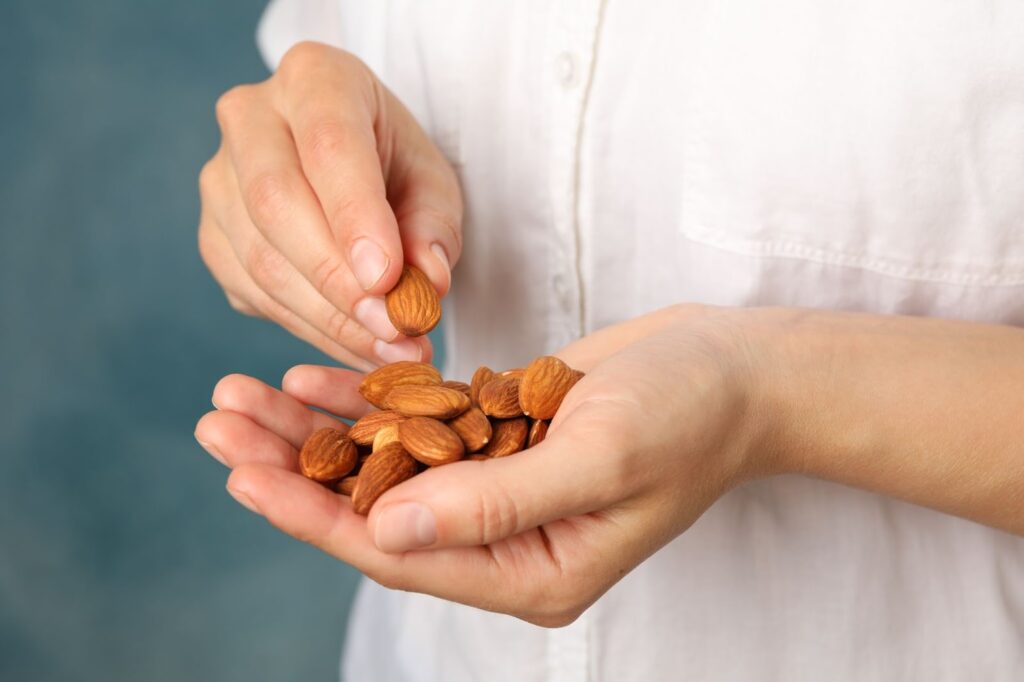
Ang almonds ay mayaman sa Vitamin E, isang mahalagang antioxidant na nakatutulong sa pagprotekta laban sa metabolic dysfunction-associated steatotic liver disease (MASLD) na uri ng sakit sa atay. Regular na pagkain nito ay nakatutulong din sa pagpapanatili ng malusog na antas ng taba sa dugo.

H2: Oatmeal

Ang oatmeal ay naglalaman ng beta-glucan fiber na nakatutulong sa pagbabawas ng cholesterol, pagkontrol ng blood sugar, at pagpigil ng labis na akumulasyon ng taba sa atay. Nagbibigay din ito ng matagalang pagkabusog na tumutulong sa weight management. Maaring samahan ng almonds at iba pang prutas ang oatmeal para sa masustansya at masarap na recipe nito.

H2: Green Tea

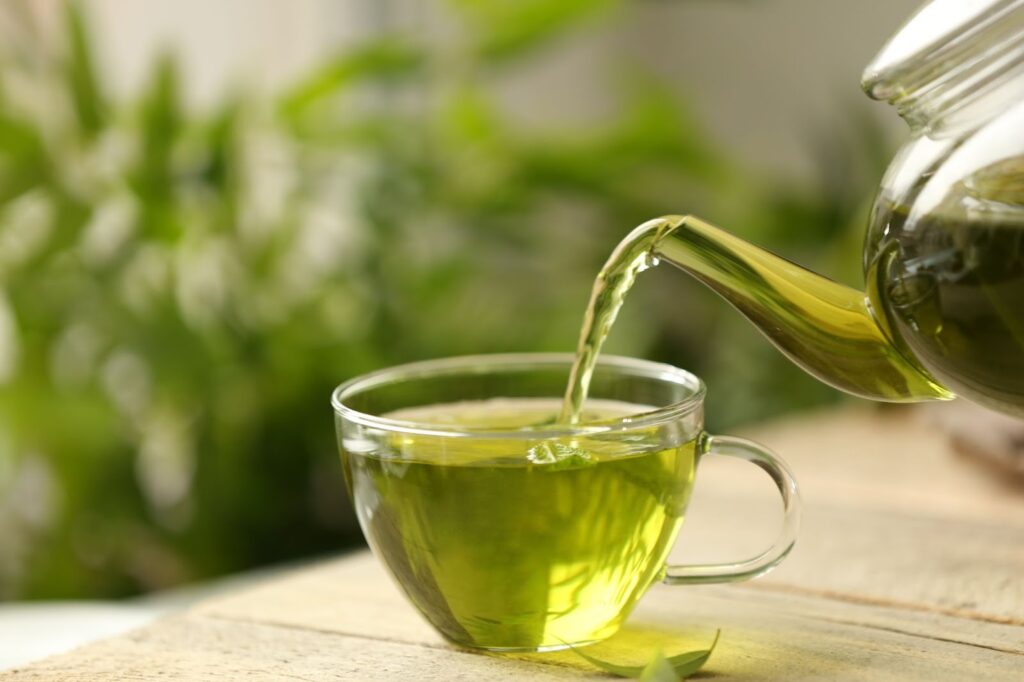
Ang green tea ay nakatutulong sa pagbabawas ng pag-iimbak ng taba sa atay. Ang mga natural na antioxidant nito, lalo na ang catechins, ay nagpoprotekta sa mga selula ng atay at nagpapabuti ng pangkalahatang liver function.

H2: Paalala Bago Ibahin ang Diet

Bagama’t ang mga pagkaing nabanggit sa ay kilala sa kanilang mga benepisyo para sa kalusugan ng atay, mahalagang tandaan na ang bawat tao ay may iba-ibang kondisyon at pangangailangan. 

Ang mga ito ay maaaring isama sa inyong lifestyle changes, ngunit dapat tandaan na hindi ito ang natatanging lunas para gumaling ang inyong sakit sa atay. Bago magdagdag o mag-alis ng anumang pagkain sa iyong araw-araw na diet, laging kumonsulta muna sa iyong doktor o registered nutritionist-dietitian. Ang tamang gabay ng isang propesyonal, kasabay ng tamang pagkain, ang pinakamabisang paraan sa mas malusog na atay.

REFERENCES

Is Your Body Sending Warning Signs? Fatty Liver Symptoms in Women

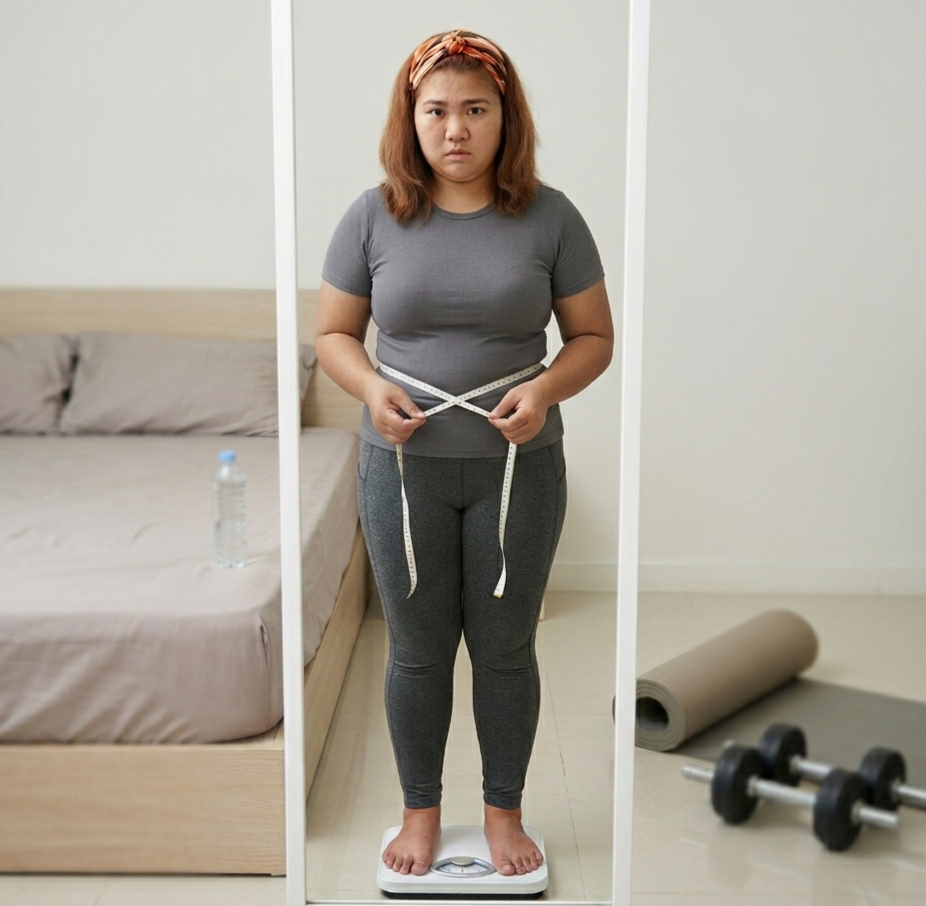
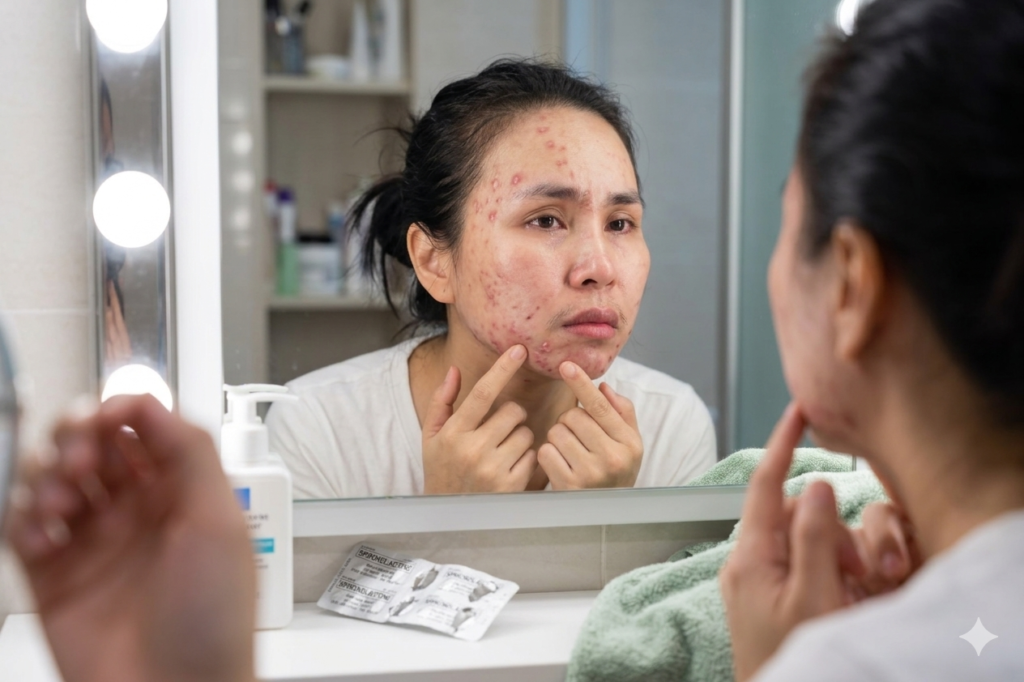
Fatty liver is commonly assumed to be a disease purely alcohol-related, often associated with “man’s disease.” However, with non-alcoholic fatty liver (NAFLD), it happens without alcohol consumption—and women are just as likely to develop the disease, and in many cases, they are at greater risk. This is especially true for those with obesity, hormonal changes, and conditions like polycystic ovary syndrome.

And the concerning part is that fatty liver tends to go unnoticed or undetected because it progresses without any noticeable signs.

H2: What are the Risk Factors

Understanding what puts women at greater risk is the first step toward prevention. Several lifestyle, hormonal, and metabolic factors can quietly set the stage for fat to build up in the liver over time.

  • Obesity
  • Poor diet
  • Sedentary lifestyle
  • High cholesterol
  • PCOS (Polycystic Ovary Syndrome)

It’s critical to identify these risk factors, but it’s equally important to know what to look out for. The symptoms of fatty liver disease are often subtle and easy to ignore.


H2: Physical Symptoms of Fatty Liver to Watch Out For

  1. H3: Fatigue

Doing things feels really hard. Even the easiest and most mundane tasks seem difficult to get through. You lie down to rest, and your body feels too heavy—like you’ve exhausted all your energy without actually doing anything. A lot of women think this unexplainable fatigue is caused by stress or being worn out, but it could be that their liver is having trouble keeping up.

  1. H3: Feeling bloated

You haven’t eaten a single meal yet your stomach feels like you’ve stuffed yourself with two meals’ worth of food because of how visibly larger and heavier it is and how uncomfortably tight your clothes have become. More than that, there’s also a noticeable puffiness and swollen look on your face without any clear reason to explain it. 

An enlarged or inflamed liver can put pressure on the surrounding digestive organs, interfering with normal digestion and producing the unpleasant, heavy feeling in the abdomen that is known as bloating.

  1. H3: Sudden weight changes

Despite watching out for your diet and being mindful of your lifestyle, there are unexplained weight fluctuations; your liver may be trying to send you a signal.

  1. H3: Nausea and vomiting

After consuming meals heavy in fat and cholesterol, you may start to feel your body taking its effect—the room begins to spin, and an overwhelming urge to vomit sets in. On top of that, there’s a burning sensation in your chest, and your stomach feels unsettled long after the meal is done.

  1. H3: Hormonal imbalance

Missing your menstrual cycle multiple times, experiencing heavier or lighter bleeding during your period, or noticing your PMS symptoms getting worse than usual could all be signs that your liver might be under stress that quietly throws off your body’s hormonal balance.

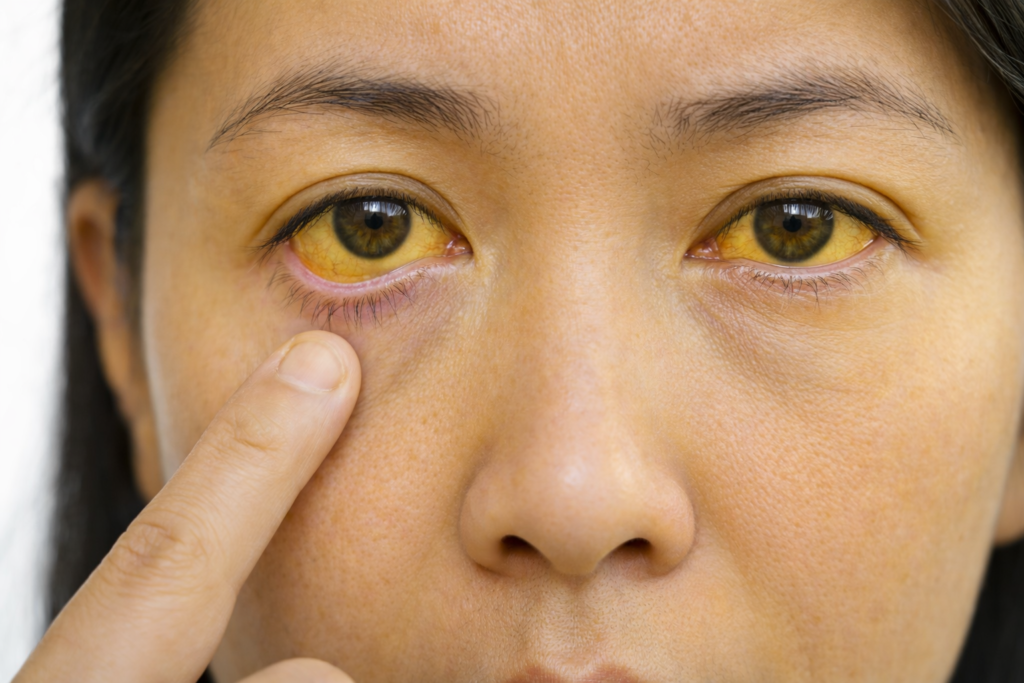
  1. H3: Jaundice

This is an advanced stage of fatty liver where the whites of the eyes take on a yellowish tint. The skin and urine color are also affected. If this color change is one of the symptoms you’re experiencing, it’s a major red flag that should never be ignored.

H2: Simple Ways Women Can Prevent Fatty Liver

H3: Avoid Foods That Increases Fatty Liver Risk

  • Sugary foods & drinks – Soft drinks, fruit juices, candies, and cakes.
  • Refined carbohydrates – White bread and white rice
  • Unhealthy fats – Fried foods, fast food, and processed meats.
  • Alcohol – Even if the condition is non-alcoholic fatty liver disease, alcohol consumption can worsen the damage
  • Highly processed foods – Instant noodles, chips, and canned goods.

H3: Daily Habits That Reduce Your Risk

  • Exercise regularly – Regular exercise is a good way to reduce the risk of fatty liver. Your body will benefit from simple to moderate exercises like walking, jogging, or running as long as you move for at least 30 minutes. Strenuous workouts are optional but not necessary.
  • Stay hydrated – Drinking enough water a day helps detoxify the liver.
  • Get regular checkups – Since fatty liver disease often goes unnoticed, routine checkups and tests are one of the most important steps you can take to address any concerns before it progresses. 

REFERENCES:

TYPES OF VITAMIN C: SODIUM ASCORBATE VS ASCORBIC ACID

Lead in: Confused on which vitamin C to buy? Here’s your guide in identifying the difference of sodium ascorbate vs ascorbic acid

When purchasing vitamin C, you might have noticed that some brands include sodium ascorbate in their generic name, or at times, it’s just ascorbic acid. You’ve seen both on the shelf, grabbed whichever was cheaper, and moved on—but these two aren’t the same thing, and your body knows the difference. 

Knowing this small but important difference could change the way you think about boosting your immunity; it could also change the way you approach your overall health entirely.  

H2: Benefits Of Taking Vitamin C 

A healthy diet and regular exercise are important for overall health, but your body may need extra nutrients to really thrive. Vitamin C is one of the most important nutrients to include. It makes collagen to heal wounds and fix skin tissue, and it also keeps your skin, teeth, hair, and gums healthy.

Vitamin C supplements come in two common forms: ascorbic acid and sodium ascorbate. Understanding what sets them apart allows you to find the right fit for your specific needs and lifestyle.

H2: Ascorbic Acid

Ascorbic acid is the pure and natural form of vitamin C. It helps wounds heal and makes collagen. But because of its high acid content, it nay cause discomfort for those with sensitive stomachs. It also tends to oxidize, which means it can break down and lose its potency when it comes into contact with air, light, or heat.

H2: Sodium Ascorbate

Sodium ascorbate, on the other hand, is composed of sodium and ascorbic acid. This combination creates a buffered effect, making vitamin C less acidic—which is why it’s known as a non-acidic form of vitamin C. Its gentler formulation makes it safer for those who have stomach sensitivity like hyperacidity, diarrhea, heartburn, and stomach irritation. On top of that, sodium ascorbate has better stability, giving it a longer shelf life compared to its counterpart.

H2: Which Vitamin C Should You Choose?

Knowing which of the two types of vitamin C is best for you can be challenging. The best choice ultimately depends on your body’s needs and any existing health conditions you may have.

If you have GERD, hyperacidity, or stomach sensitivity, sodium ascorbate might be the better choice for you. But if you have kidney disease or diabetes and are prevented from consuming large amounts of sodium, you should stay away from it.

At the end of the day, consulting your doctor remains the best step to determine which form of vitamin C truly fits your health needs.

For those who are seeking natural source of vitamin C

Vitamin C Rich Foods to Include in Your Diet

Lead in: Think Vitamin C is all about oranges? Discover vitamin C-rich foods to add to your diet

H2: Vitamin C Benefits: Why Vitamin C is Needed

Did you know that unlike most animals, the human body can’t produce vitamin C on its own?

The only way we can get it is by relying entirely on food and supplements. This popular vitamin, often associated with oranges, is actually a powerful essential nutrient that strengthens the immune system, protects cells from damage, and builds collagen for healthy skin.

Apart from citrusy foods and supplements, vitamin C is also abundant in the usual food we consume—and you might not even be noticing! Here are some sources that will probably make you interested in stocking up your fridge:

H2: Foods High in Vitamin C

Vitamin C is in more foods than you might think, from colorful fruits to everyday vegetables. The best part is that most of them are always available at your local market or grocery store. 

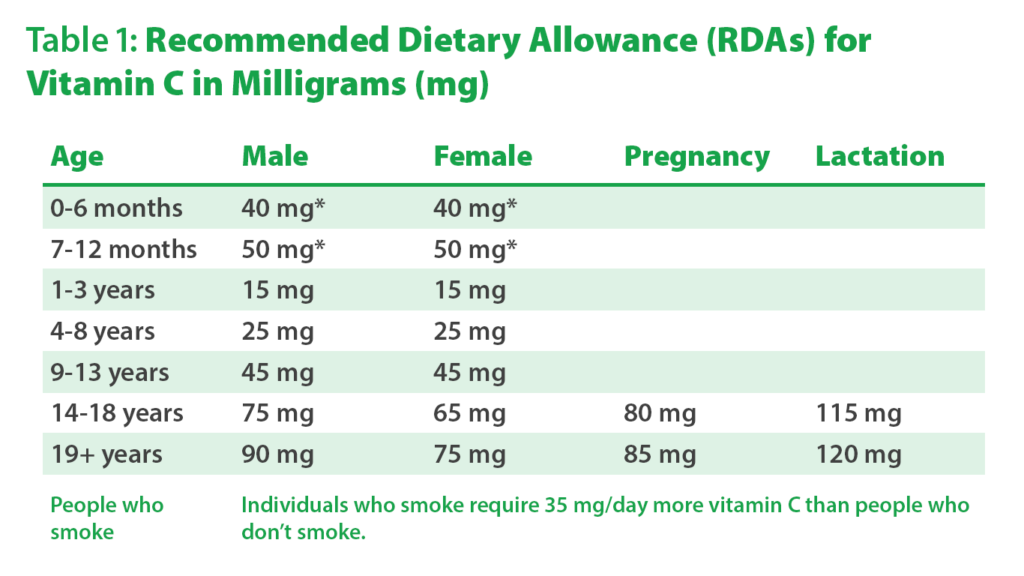
The list below includes common food sources of vitamin C with their serving size, amount of vitamin C (mg), and % Daily Value (%DV)—which shows how much each serving contributes to the recommended at least 90 mg per day for adults. 

H3: Fruits

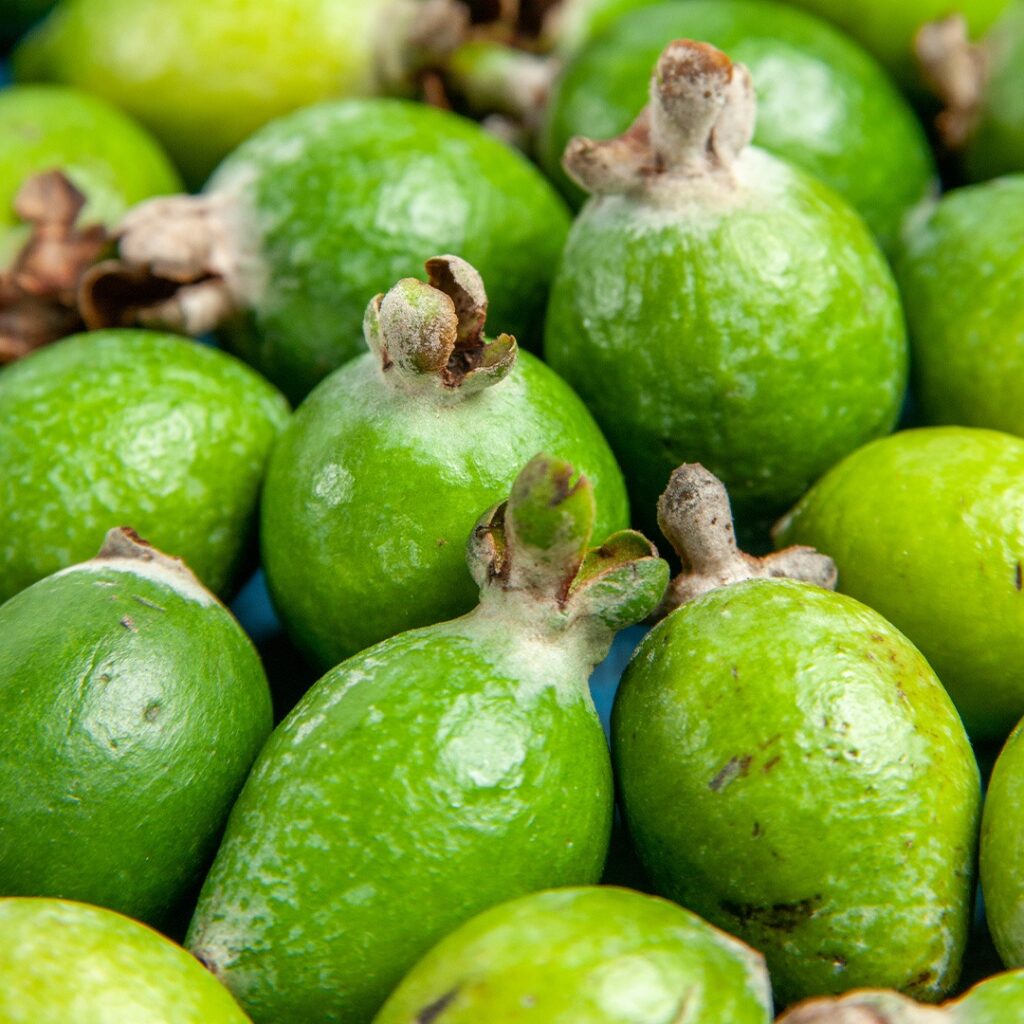
H4: 1. Guava

Vitamin C content: 125 mg (140% DV) for a piece

Guava is abundant in tropical regions, particularly in the Philippines, and can often be found right in your neighborhood. Apart from its distinct fragrant taste, it contains a high amount of vitamin C. It can be eaten on its own or included in your favorite fruit salad recipe.

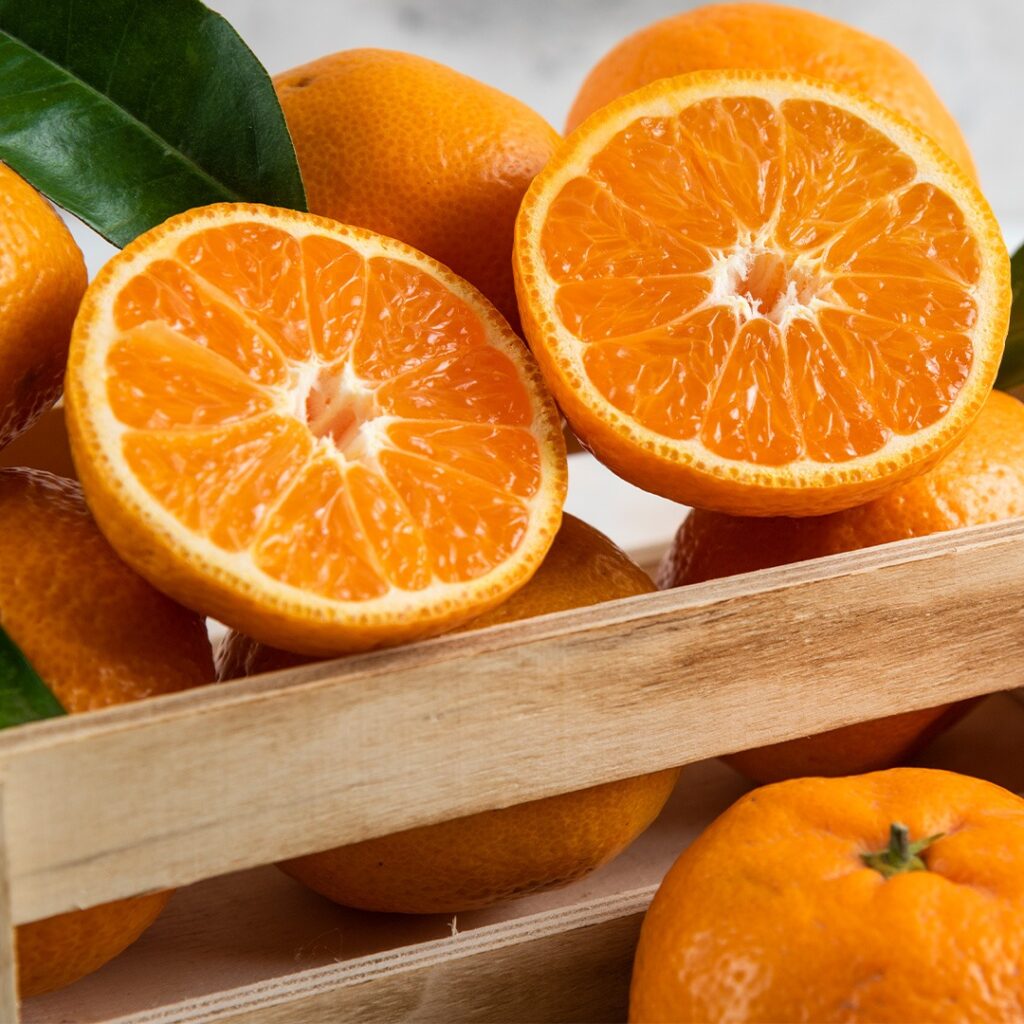
H4: 2. Oranges

Vitamin C content: 97 mg (109% DV) for a large piece


Your home likely has an orange supply, and with its convenient sizing, it contains the right amount of vitamin C that can supplement your daily needs. With its versatility, an orange can be paired in a nutrient-dense meal like oatmeal, or if you’re up for a refreshing drink, a freshly squeezed orange juice will do, and it could also boost your vitamin C intake for the day. 

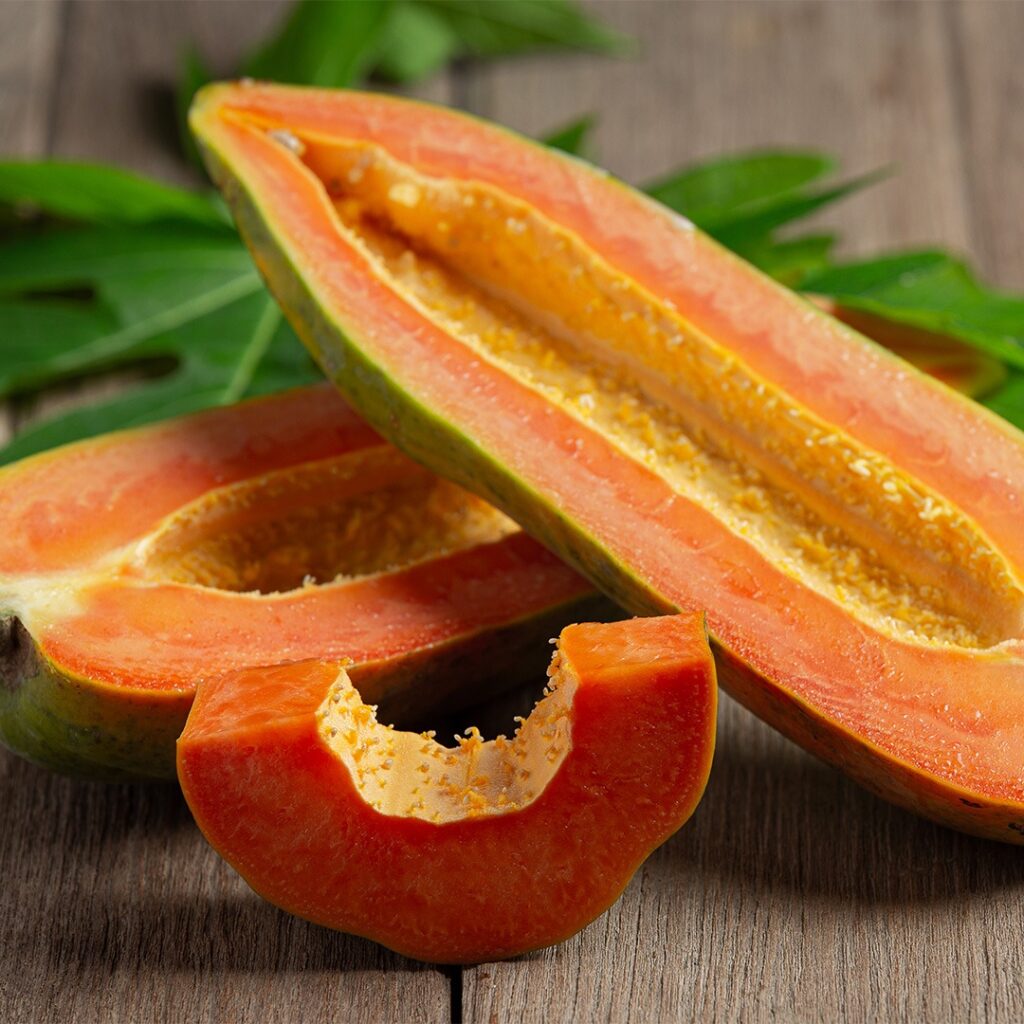
H4: 3. Papaya

Vitamin C content: 95 mg (100% DV) for a medium-sized piece

A very filling fruit that eases your digestion and keeps you full for a longer time. Beyond its nutrients, it’s especially recommended if weight loss is part of your diet plan.

H4: 4. Mango

Vitamin C content: 60 mg (67% DV) for a medium-sized piece

This sweet delight, a popular treat during summer or the dry season, is a decent source of vitamin C. With the creative preparations its sweet flavor allows, it can be made into fruit salad, fruit juice, or enjoyed as it is. Just remember to avoid adding too much sugar when preparing it as a dessert, since mango is already high in sugar.

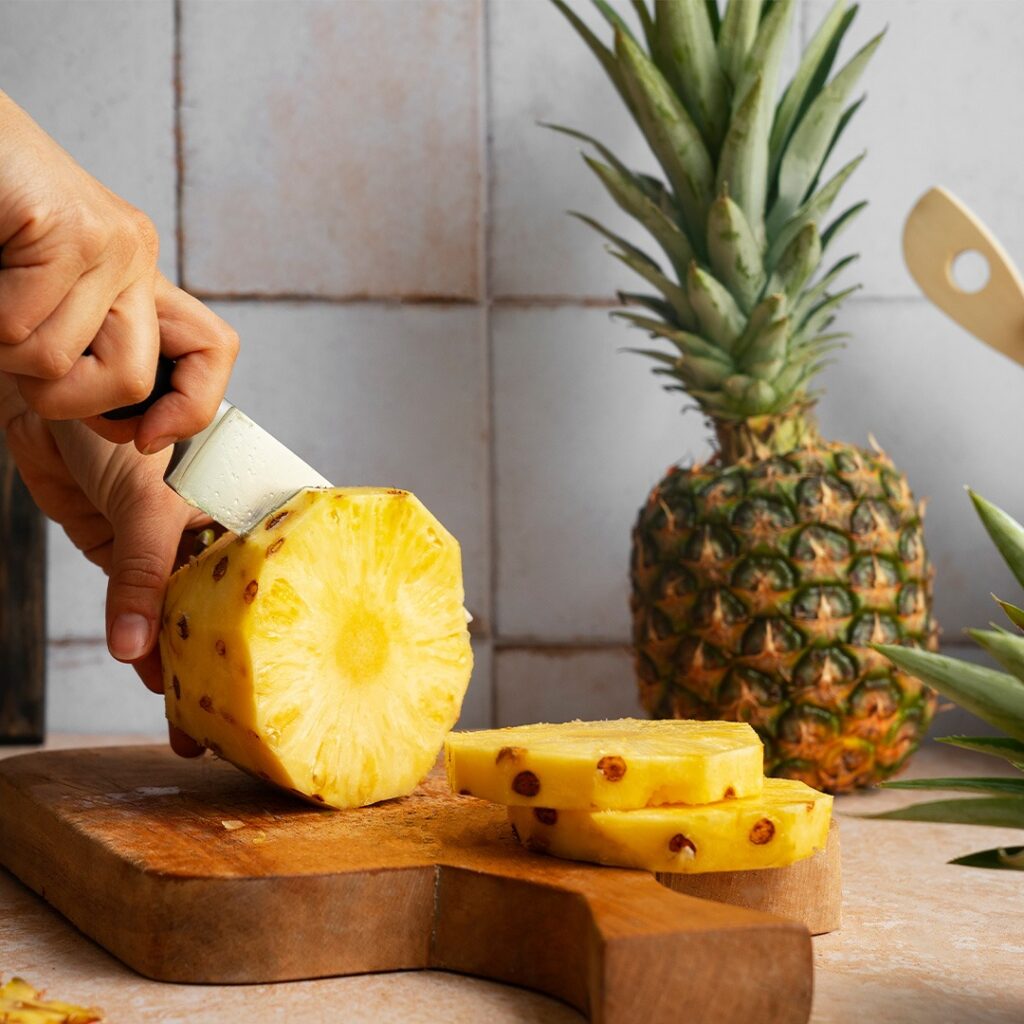
H4: 5. Pineapple

Vitamin C content: 79 mg (88% DV) per cup

They say pineapple eats you back. That’s because of bromelain, an enzyme that breaks down protein-dense food, making it easier to digest. 

H4: 6. Strawberries

Vitamin C content: 83 mg (92% DV) per cup

More than helping your immune system, strawberries are beneficial to your heart, as they help lower bad cholesterol and have high levels of antioxidants that fight inflammation.

H3: Vegetables

H4: 1. Tomatoes 

Vitamin C content: 171 mg (190% DV) per 8 oz serving

Tomatoes are a common kitchen staple that are more than just tasty. They are a surprisingly good source of vitamin C and can be eaten raw, cooked, or mixed into soups and sauces.

H4: 2. Bell peppers

Vitamin C content: 213 mg (237% DV) per cup

Whether eaten raw as a snack or added to a stir-fry, bell peppers, one of the highest vegetable sources of vitamin C, add a delightful crunch and vivid color to any meal.

H4: 3. Broccoli 

Vitamin C content: 51 mg (57% DV) for half a cup of cooked broccoli

A powerhouse vegetable that delivers a solid dose of vitamin C even in small servings, broccoli is a simple and filling addition to your plate whether steamed, roasted, or added to soups.

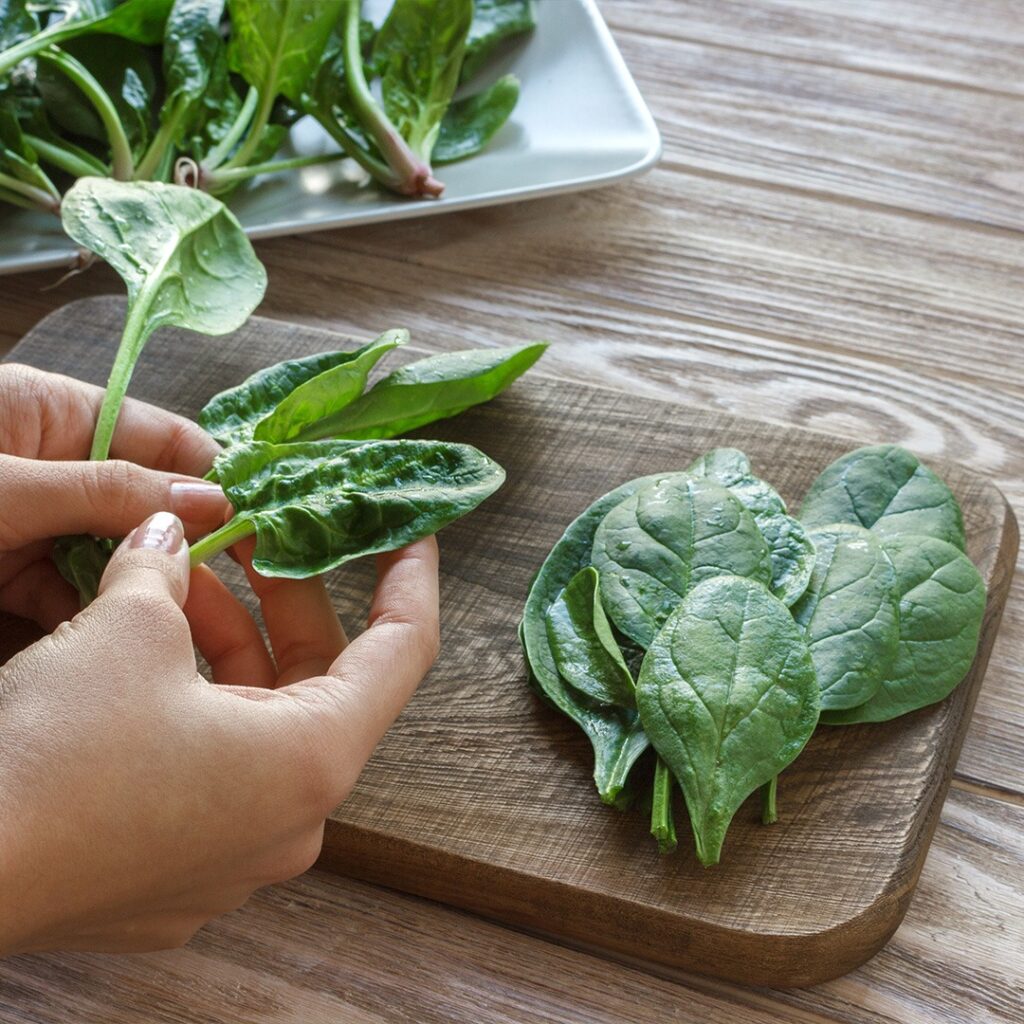
H4: 4. Spinach 

Vitamin C content: 30 mg (33% DV) per 3 cups

Spinach is a mild and easy-to-use leafy green that adds vitamin C to your diet without you even noticing. You can toss it into salads, blend it into smoothies, or wilt it into warm dishes with little effort.

H2: Vitamin C Daily Intake: How Much Vitamin C Per Day?

The Recommended Dietary Allowance (RDA) is the amount of vitamin C you should eat every day to stay healthy. The Tolerable Upper Intake Level (UL) is the most vitamin C you can safely eat without putting your health at risk.

It’s important to get enough vitamin C every day, but it’s also important to stay within safe limits. The UL for adults is 2,000 mg of vitamin C per day. Taking more than this amount can cause health problems like stomach pain and kidney stones.

H2: More Than Diet, Build the Habit

Maintaining your vitamin C consumption is just one piece of a bigger puzzle when it comes to building a truly healthy lifestyle. Including other essential nutrients—like vitamin D, B vitamins, magnesium, zinc, and healthy fats—helps your body absorb and utilize everything more effectively, so no single nutrient works in isolation. 

Beyond nutrition, other lifestyle changes you build around your diet matter as much. Staying physically active, managing your stress, getting quality sleep, and having regular checkups can ensure improvement for your overall health.

If you are experiencing hyperacidity, acid reflux, heartburn, or indigestion, it’s a good idea to limit intake of foods with high citric acid content to avoid irritation. Instead, vitamin C supplement options are available as sodium ascorbate, which is gentler on the stomach because of its buffered, non-acidic form of vitamin C, making it generally safer. 

Link redirect to 5 signs of weak immune system

REFERENCES

5 Warning Signs of a Weak Immune System You Shouldn’t Ignore (Immunodeficiency)

Lead in: Feeling tired and getting sick easily? Maybe your immune system is already giving you a signal. Here are 5 warning signs you should never ignore

A weak immune system, or immunodeficiency, is a condition where the immune system has a problem working properly. Meaning, it experiences difficulty in fighting off bacteria and viruses that may enter one’s body. 

If you’ve been feeling off or tired lately and can’t quite explain why, your immune system could be the cause. Factors such as poor diet, lack of sleep, and chronic stress can all take a toll your body’s natural defenses. Over time, these habits weaken your ability to stay healthy. Let’s break down the most common warning signs to watch out for.

H2: Watch Out for These 5 Key Signs

  • H3: 1. Frequent colds

Regularly catching colds or finding it hard to recover from your sickness could be a telltale sign your body is having difficulty fighting off the viruses

  • H3: 2. Getting sick more often than usual

Similar to colds, if you easily catch an infectious disease like the flu, pneumonia, bronchitis, sinusitis, or skin problems, it could mean your body isn’t capable of defending itself well.

  • H3: 3. Slow wound healing

If you have a wound that takes weeks to heal even with proper cleaning and treatment, something may be off. Commonly, wounds like cuts, scrapes, blisters, burns, or canker sores (singaw) typically take a few days to heal; otherwise, there’s something wrong within your body.

  • H3: 4. Feeling weak and tired

Despite having enough rest and sleep, if you notice your energy crashing out easily and feeling fatigued or exhausted most of the time, it may be a sign of a weak immune system.

  • H3: 5. Frequent digestive problems

Visiting the toilet multiple times a day due to diarrhea, stomach ache, constipation, or feelings of bloating can be a warning sign of a weak immune system. Research indicates that a significant portion of the immune function resides in the gut. If your digestive system is constantly asking for help, it may indicate that there is an imbalance in gut bacteria.

H2: How to Strengthen a Weak Immune System

The good news is that you don’t have to live with a weak immune system. You can gradually make your body’s defenses stronger and your health better by changing some things about your life and adopting healthy habits.

  • H3:  Regular physical activity 

Exercising regularly improves mood and reduces stress. In fact, allotting 30 minutes of exercise three days a week is enough to gain health benefits—whether by walking, jogging, or any activities you enjoy.

  • H3: Protect yourself from potential sickness

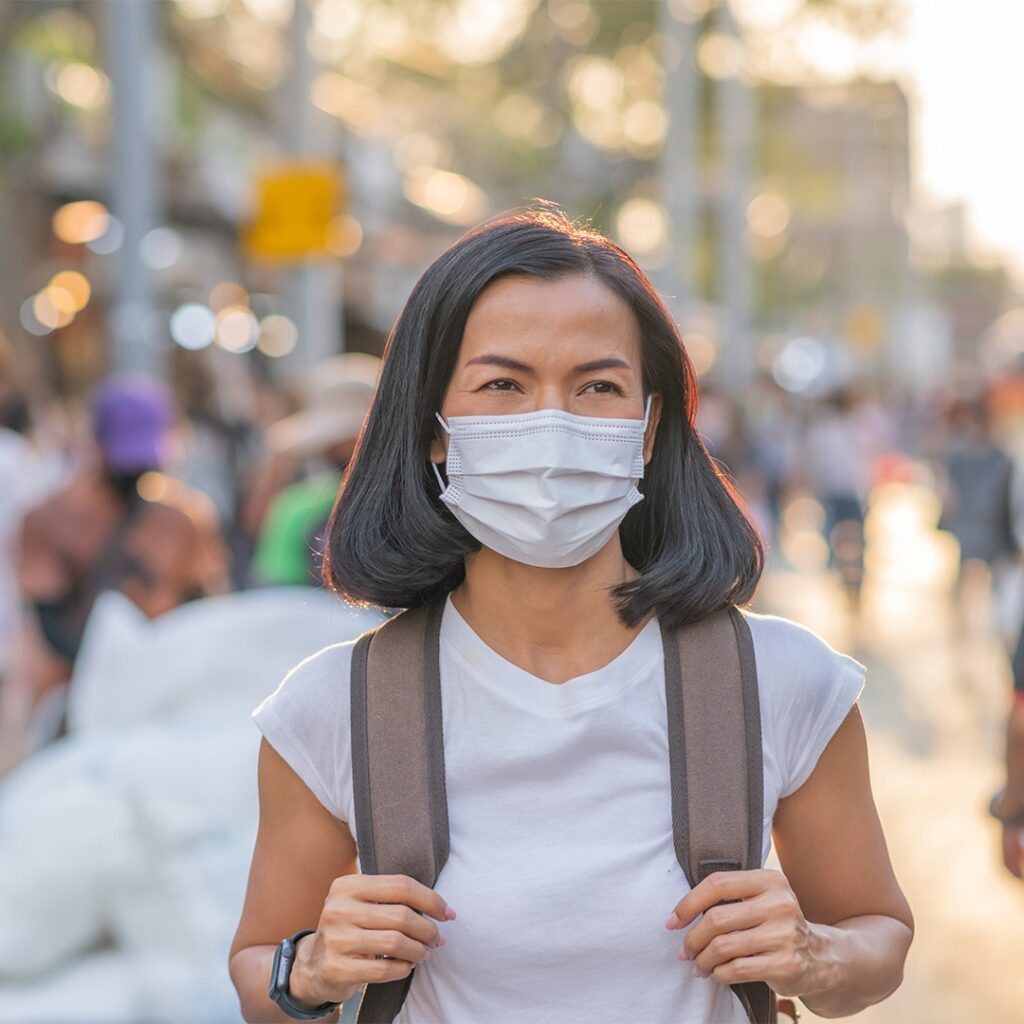
Practice good hygiene by washing your hands regularly or using alcohol-based sanitizer, especially after outdoor activities or daily commutes. Additionally, wear a face mask if there is a potential risk of getting sick from others.

  • H3: Have a proper diet 

Avoid alcohol, smoking, and processed foods, as these can make it difficult for your body to combat viruses and diseases. Instead, focus on whole, nutrient-rich foods that support your overall health.

  • H3: Take Vitamin C 

Vitamin C supports immune function and can help your body defend against illnesses. You can get it through fruits like oranges and strawberries or through supplements.

H2: Don’t Ignore What Your Body is Telling You

Your body is smarter than you think. When something is off, it finds ways to let you know. When something is wrong, it finds ways to let you know. These signs are easy to ignore as everyday stress or just being under the weather. But it’s best to pay attention as soon as you can.

That being said, if these warning signs don’t go away even after you’ve done everything you can, it’s always a good idea to talk to a doctor. Some instances of immunodeficiency need medical attention in addition to lifestyle changes. If you’re not sure, don’t wait—listen to your body before it has to yell.

REFERENCES

Immunocompromised: Immunosuppressed, Definition & Diseases List. (2024, December 17). Cleveland Clinic. https://my.clevelandclinic.org/health/diseases/immunocompromised

6 Signs of Weak Immune System | Redoxon. (2021). Redoxon Middle East. https://www.redoxon.me/healthier-every-day/6-signs-of-weakened-immunity-and-how-to-recognize-them

5 signs of a weakened immune system | Boots Health Hub. (2024). Boots. https://www.boots.com/healthhub/a-z-conditions/immunity/signs-of-weakened-immune-system?srsltid=AfmBOorQdzm4sDCREWzGfM-8AodE_Mf1LhPr3Wf4XkvxEaE2GepkxF6U

‌Health, C. (2022, November 9). 5 things that can weaken your immune system | Cultivating Health. Cultivating-Health; UC Davis Health. https://health.ucdavis.edu/blog/cultivating-health/5-things-that-can-weaken-your-immune-system/2022/11

Primary immunodeficiency-Primary immunodeficiency – Symptoms & causes – Mayo Clinic. (2025). Mayo Clinic. https://www.mayoclinic.org/diseases-conditions/primary-immunodeficiency/symptoms-causes/syc-20376905

Fletcher, J. (2020, April 8). How to stay healthy with a weak immune system. Medicalnewstoday.com; Medical News Today. https://www.medicalnewstoday.com/articles/324930Booth, S. (2015, October 29).

16 Symptoms of Immune System Problems. WebMD. https://www.webmd.com/cold-and-flu/immune-system-disorders


Signs You Might Have a Weak Immune System and How To Fix It. (2024). Bayfronthealth.com. https://www.bayfronthealth.com/content-hub/signs-you-might-have-a-weak-immune-system-and-how-to-fix-it

Children Coughing at Night

Lead in: Does your child keep coughing at night? Here are the reasons and ways to relieve it

It’s the middle of the night. Everyone is sleeping comfortably on their beds, then a noise erupts, interrupting hours of rest. Your child is now wide awake because of nighttime coughs. Panic sets in as you try to find a solution to ease their condition. Questions run through your mind, thinking, “How fine they were during the daytime” and “How come it only happens at night?” Night after night, neither of you is getting back to normal sleep anymore. 

This miserable cycle for your child doesn’t have to be your normal. There are reasons as to why your kids cough more at night, and understanding it is the first step to stopping it.

H2: What’s Causing My Child’s Nighttime Cough?

One major reason as to why kids’ coughs worsen or happen during nighttime is because of the sleeping position. Lying down makes mucus and sinuses drip down from the nose and gather down to their throat—also called postnasal drip. When mucus or other irritants in the airways build up, coughing is the body’s natural reflex to clear them out.

Postnasal drip is not the only culprit; these are also the common reasons behind your child’s nighttime cough:

  • Sleep apnea is common at ages 2 to 8 years old
  • If your child has recently had a cold
  • Viral infections like flu, croup, or pneumonia
  • Acid reflux
  • Asthma
  • Allergies

H2: Types Of Nighttime Cough

Not all coughs are the same. There are different characteristics of cough, and you may have noticed them based on how your child breathes and coughs. Parents should pay close attention to the sound pattern of your child’s cough. It can give you clues about what may be causing their coughing at night.

  • H3: Dry cough – produces no mucus or phlegm and is typically caused by irritation or infection in the airways.
  • H3: Barking cough (croup) – sounds like a dog’s bark and is caused by swelling of the upper airways, resulting in hoarseness and noisy breathing.
  • H3: Cough with wheezing – if your child’s cough is accompanied by wheezing, it could be a sign that they may be suffering from asthma. This type of cough should not be ignored and needs medical attention.

H2: Simple Ways to Relieve Your Kid’s Coughing at Night

If you are still looking at ways to solve your kid’s coughing at night, here are some simple and practical ways worth trying to help ease their condition.

  1. H3: Drink plenty of fluids – Staying hydrated helps loosen the mucus, making it easier for your child to cough it out and breathe more comfortably.
  2. H3: Use humidifier – If the coughing is caused by dry air, moistening the air helps ease the airways and reduces irritation that triggers the cough.
  3. H3: Sleeping with head elevated – Propping an extra pillow behind their head can help prevent postnasal drip. It’s important to note that this tip is recommended for kids 2 years old and above, as pillows can pose a serious safety risk, including difficulty breathing and increased risk of suffocation for babies.
  4. H3: Keeping the room clean – Dust, pet dander, and allergens can trigger nighttime coughing. Regularly vacuum the room, wash the bedding and curtains, and keep the windows closed to reduce your child’s exposure to irritants.

REFERENCES

Asthma in Kids

Lead in: Asthma in kids can feel overwhelming, but informed parents make the difference. Learn how to manage your child’s asthma with confidence.

Finding out your child has asthma can be overwhelming and frightening at the same time — and you are not alone. In low-middle-income countries across Southeast Asia, including the Philippines, 1 in every 10 children suffers from asthma.

What makes it particularly stressful is that asthma attacks can strike suddenly without warning, keeping many parents constantly on edge. And rightly so—when a flare-up is not treated immediately, it can become life-threatening.

Asthma is a long-term inflammation of the airways, and while there is currently no definitive cure, it can be very well controlled and managed. With the right knowledge and treatment plan, your child may experience few to no symptoms—be aware, however, that the condition itself doesn’t fully go away and can come back later on.

H2: Asthma Attack Symptoms

Looking out for the symptoms of an asthma attack can help you respond quickly and prevent the situation from escalating into something more serious.

  • Shortness of breath – difficulty breathing and rapid breathing
  • Wheezing or coughingwhistling sound when breathing, or persistent coughing
  • Chest pain or tightnesspressure or squeezing in the chest, which may lead to chest pain during a severe attack
  • Pale skin and lips – child may appear bluish or gray, particularly on their lips, face, and fingertips caused by low oxygen levels in the blood
  • Flared nostrils or neck muscles visibly straining – signs that the body is working harder to breathe

H2: What to Do After Your Child Had an Asthma Attack

  • Let them have rest. Keep your children calm and in a comfortable position—sitting upright is usually best for easier breathing. Avoid any physical activity until they have fully recovered.
  • Stay calm and make them feel safe. Don’t let panic get into you as a parent, as it can make the situation worse, causing your children more distress. Keep calm and remind them they are safe and you are with them.
  • See a doctor. Consult your GP or pediatrician after an asthma attack to assess your child’s triggers, review their medications, and update their asthma action plan. 

H2: Asthma Management and Treatment

Your child’s pediatrician will determine the right asthma treatment plan based on the severity and triggers specific to your child. Common options include:

  • Prescribed inhalers – These are typically used as long-term medication to keep your child’s asthma under control. Most of the time, these contain steroids to reduce inflammation in the airways.
  • Rescue inhalers / quick-relief medications – These medications contain a bronchodilator, which opens and relaxes airways for the child to breathe easily. These work fast and should always be readily available.
  • Nebulizer – These changes liquid medication into a fine, breathable mist, which is then inhaled through a mask or mouthpiece.
  • Antihistamines – If your child has co-occurring allergies such as allergic rhinitis that may worsen the asthma, antihistamines may be prescribed to manage allergic symptoms, which can help reduce allergy-related asthma triggers.
  • Avoid triggers— Medication is not a one-size-fits-all solution. Knowing your child’s triggers is as important to prevent cases of asthma attacks. Common asthma triggers that parents should watch out for are dust, pollen, temperature changes, and animal fur or pet dander.

H2: Child’s asthma action plan

Your child’s asthma action plan is your go-to guide or manual to help them deal with their condition. Made with your child’s pediatrician, it lists your child’s medications, early warning signs of symptoms, and when to take them and when to call for help. Make it a habit to review it regularly so you always know what to do when it matters most.

Your child should also be familiar with the plan. Older kids, in particular, should know which steps they can take on their own and when to ask for help.  Using language that is easy to understand and age-appropriate helps them understand their own condition better. 

Apart from the family, make sure to share the plan with teachers and school nurses since your child spends much of their day at school; having the right people informed can make all the difference in an emergency.

REFERENCES

HealthyChildren.org. https://www.healthychildren.org/English/health-issues/conditions/allergies-asthma/Pages/Medications-Used-to-Treat-Asthma.aspx

First aid for a child who is having an asthma attack. (2026). British Red Cross. https://www.redcross.org.uk/first-aid/learn-first-aid-for-babies-and-children/asthma-attack