Curious how Silymarin and Vitamins B1, B6, and B12 do for your body?
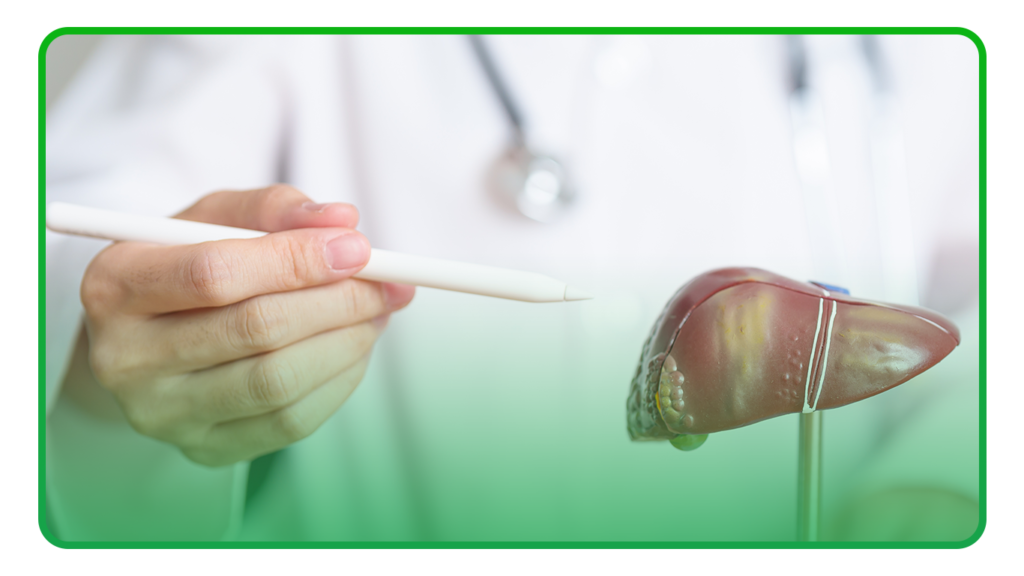
Your liver is one of the busiest organs in your body, operating 24/7 without rest. It filters your blood, breaks down nutrients, and stores important vitamins and minerals. But when bad lifestyle choices are made, your liver takes the hit. When a sedentary lifestyle and bad diet persist, over time, they can lead to serious problems like fatty liver disease.
If you have liver disease, you may have noticed that most liver support supplements contain silymarin and a mix of multivitamins. It’s normal to be curious about where these nutrients come from and what they do to know what you’re putting in your body.
Here, we break down the most common ingredients found in liver health supplements.
Silymarin
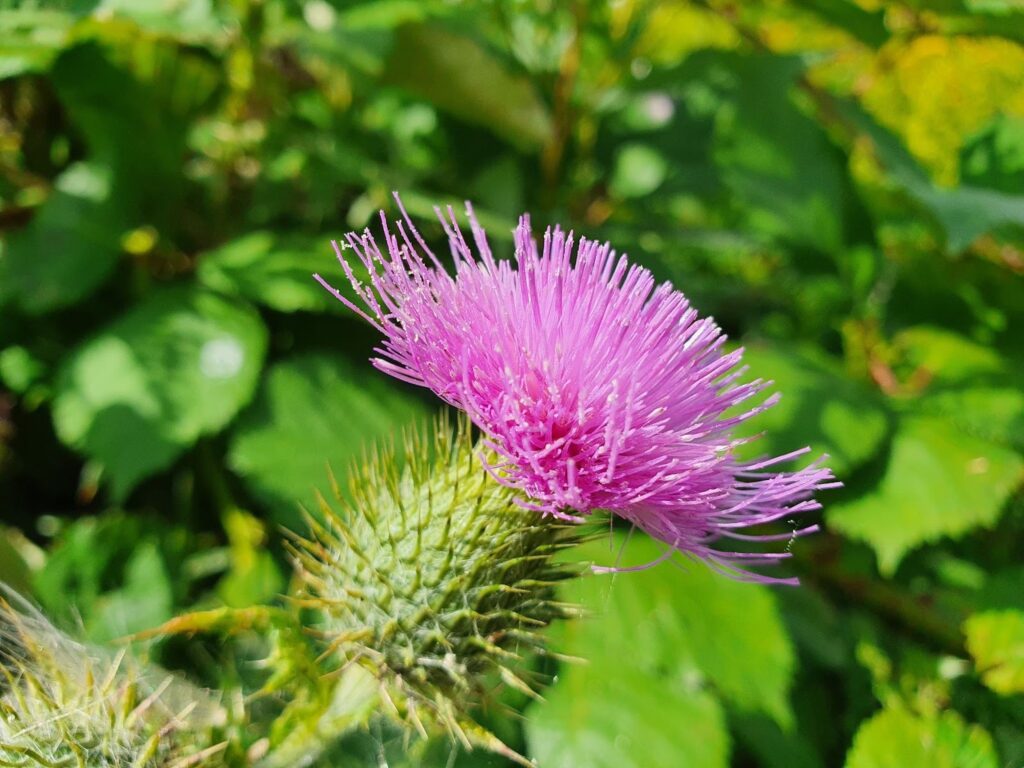
Liver health supplements and medications often feature silymarin in their products—and you have probably encountered it in ads on TV, while scrolling through social media, or even on the radio. This naturally occurring compound is derived from the milk thistle plant native to Europe and has become a staple ingredient in liver health products.
Research suggests that silymarin acts as a hepatoprotective agent—it may help prevent or reduce liver damage and has other potential benefits that include promoting liver cell regeneration and reducing blood cholesterol. Some of the diseases that silymarin may help with include cirrhosis, damage, fatty liver disease, and damage caused by harmful substances such as alcohol and certain medications.
However, keep in mind that science on silymarin is still not entirely clear-cut. While studies have been going on for a long time, it should not be viewed as a guaranteed treatment for any conditions. It’s always best to consult a healthcare professional before trying it out.
Vitamin B1
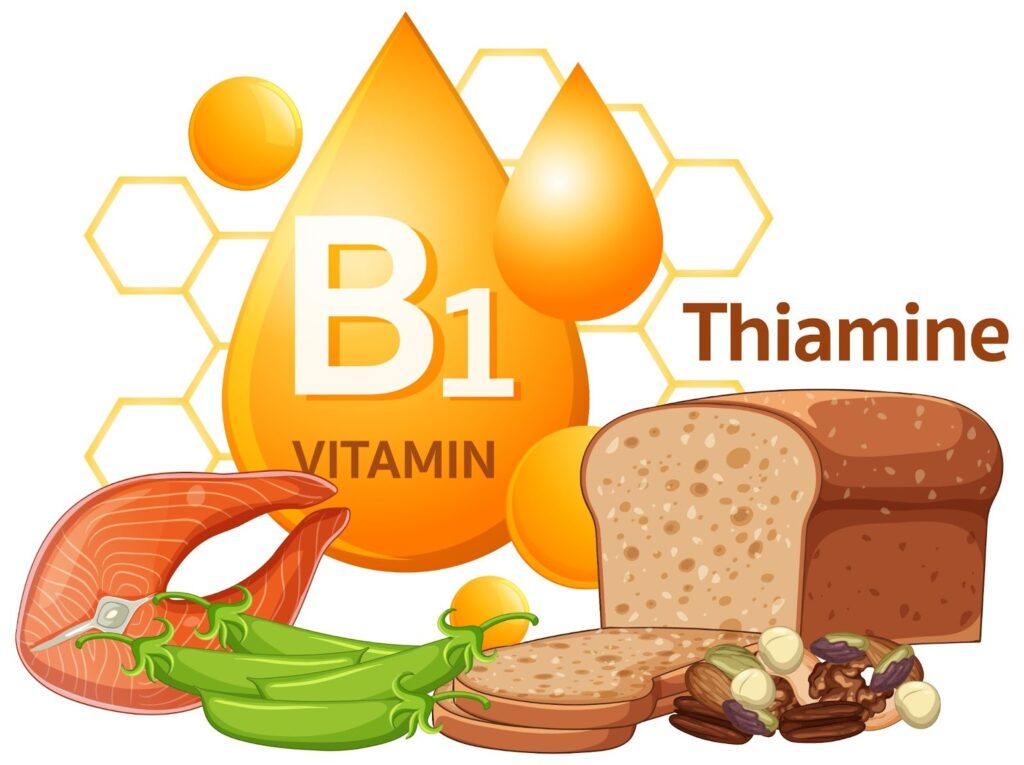
Vitamin B1, also known as thiamine, is one of the eight essential B vitamins needed by the body because of its benefits in keeping our immune system, brain function, and heart healthy.

In fact, humans cannot produce thiamine naturally and must obtain it from food we eat or through supplements.
When it comes to liver health, vitamin B1 plays an important role as the liver stores thiamine to support proper metabolic function. Since thiamine deficiency is frequently observed in individuals with chronic alcohol consumption, it is crucial that sufficient intake of this nutrient be ensured. Without sufficient thiamine, the body may experience impaired carbohydrate metabolism, which can increase the risk of liver disease.
Vitamin B6

Vitamin B6 (pyridoxine) has a range of benefits and is mostly available in a variety of foods we eat—from tuna, salmon, red meat, and poultry meat to dark leafy vegetables.
One of vitamin B6’s important functions lies in the work of metabolism, which is where the liver comes in. Vitamin B6 helps the liver process nutrients by breaking down proteins, fats, and carbohydrates. This improves the liver’s ability to handle nutrients and lowers the accumulation of excess fat that can cause fatty liver disease.
Additionally, vitamin B6 has anti-inflammatory benefits, helping the body regulate its immune response and prevent excessive inflammation. Which is valuable help to the liver in avoiding strain that may result in chronic conditions.
Vitamin B12
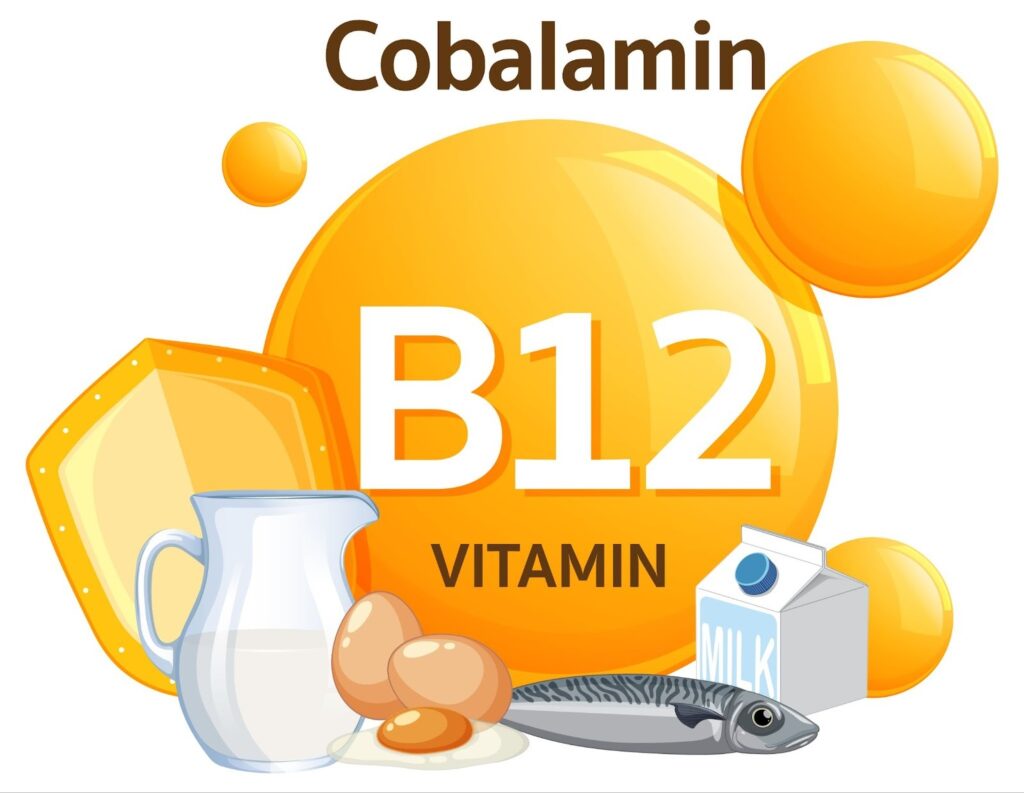
Similar to vitamin B1, the liver is also the primary reservoir of vitamin B12, or cobalamin. The human body cannot produce vitamin B12, so food sources such as meat, fish, poultry, or supplementation can provide this essential nutrient.
Vitamin B12 is very important for DNA repair and making red blood cells. This makes it a key part of preventing anemia and keeping cells healthy in general. This function is especially important for the liver, as vitamin B12 helps maintain healthy liver cells, allowing the organ to recover efficiently from damage caused by toxin exposure and perform its vital functions more effectively.
Bottomline
Silymarin, Vitamins B1, B6, and B12 each play a distinct but complementary role in keeping your liver healthy and functioning at its best. While these nutrients show promising benefits, they work best as part of an overall healthy lifestyle—not as a substitute for one. As always, consult your doctor or a healthcare professional before adding any supplement to your routine to make sure it’s the right fit for you.
References:
- hepbtalk. (2019, January 23). What is silymarin (milk thistle), and is it helpful for managing my hepatitis B and D? – Hepatitis B Foundation. Hepatitis B Foundation. https://www.hepb.org/blog/silymarin-milk-thistle-helpful-managing-hepatitis-b-d/
- staff. (2024, February 6). Exploring Silymarin and the Health Benefits of Milk Thistle – Ask The Scientists. Ask the Scientists. https://askthescientists.com/silymarin-milk-thistle/
- Halnon, E. (2008, December 9). What Are The Benefits and Side Effects of Milk Thistle? WebMD. https://www.webmd.com/fatty-liver-disease/milk-thistle-benefits-and-side-effects
- Milk thistle. (2025). Mayo Clinic. https://www.mayoclinic.org/drugs-supplements-milk-thistle/art-20362885
- Gillessen, A., Angelico, F., Chen, J., Lu, L., Lucena, M. I., Fu, Q., Xie, Q., Andrade, R. J., Xie, W., Xu, X., Yu, Y., Mao, Y., & Nan, Y. (2022). Silymarin for Treating Toxic Liver Disease: International Consensus
Recommendations. Gastro Hep Advances, 1(5), 882–893. https://doi.org/10.1016/j.gastha.2022.05.006 - Silymarin: What Is It and Its Benefits? – Ekolojist.net. (2023, December 26). Ekolojist.net. https://ekolojist.net/en/silymarin-what-is-it-and-its-benefits/
- Elsayed Abouzed, D. E., Ezelarab, H. A. A., Selim, H. M. R. M., Elsayed, M. M. A., El Hamd, M. A., & Aboelez, M. O. (2024). Multimodal modulation of hepatic ischemia/reperfusion-induced injury by phytochemical agents: A mechanistic evaluation of hepatoprotective potential and safety profiles. International Immunopharmacology, 138, 112445. https://doi.org/10.1016/j.intimp.2024.112445
- Clinic, C. (2023, July 14). Is Milk Thistle Your Next Go-To Supplement? Cleveland Clinic. https://health.clevelandclinic.org/milk-thistle-benefits
- West, H. (2018, January 19). 7 Science-Based Benefits of Milk Thistle. Healthline; Healthline Media. https://www.healthline.com/nutrition/milk-thistle-benefits#TOC_TITLE_HDR_2
- Why is thiamine (Vitamin B1) used in alcoholic liver disease with compromised hepatic function? (2025, March 12). Droracle.ai. https://www.droracle.ai/articles/29939/why-is-thiamine-vitamin-b1-used-in-alcoholic-liver
- Axe, D. (2023, August 7). Thiamine Foods that Protect the Eyes, Brain, Heart & More. Dr. Axe. https://draxe.com/nutrition/thiamine-foods/
- Clinic, C. (2024, January 15). 6 Health Benefits of Thiamine (Vitamin B1). Cleveland Clinic. https://health.clevelandclinic.org/vitamin-b1
- Kalyesubula, M., Mopuri, R., Asiku, J., Rosov, A., Yosefi, S., Edery, N., Bocobza, S., Moallem, U., & Dvir, H. (2021). High-dose vitamin B1 therapy prevents the development of experimental fatty liver driven by overnutrition. Disease Models & Mechanisms, 14(3). https://doi.org/10.1242/dmm.048355
- Vitamin B6 • The Nutrition Source. (2019, June 4). The Nutrition Source – Harvard Chan School. https://nutritionsource.hsph.harvard.edu/vitamin-b6/
- Brazier, Y. (2023, December 21). Vitamin B-6: Benefits, dosage, food sources, and deficiency symptoms. Www.medicalnewstoday.com. https://www.medicalnewstoday.com/articles/219662
- The Big Benefits of B6. (2018). Baton Rouge General. https://www.brgeneral.org/news-blog/2022/july/the-big-benefits-of-b6
- Clinic, C. (2022, December 30). Top 7 Benefits of Vitamin B6. Cleveland Clinic. https://health.clevelandclinic.org/vitamin-b6
- Berkheiser, K. (2018, June 14). Health Benefits of Vitamin B12, Based on Science. Healthline; Healthline Media. https://www.healthline.com/nutrition/vitamin-b12-benefits#takeaway
- Vitamin B12: Benefits Side-Effects, Drug Interactions. (2022, March 14). MedPark Hospital. https://www.medparkhospital.com/zh-CN/lifestyles/vitamin-b12
- (2025). Doctors Specialists – Bariatrics & Surgical. https://www.doctorsbariatricandsurgical.com/healthy-living/blog/how-b-vitamins-for-liver-health-could-help-manage-fatty-liver-disease
- Vitamin B12: MedlinePlus Medical Encyclopedia. (2024). Medlineplus.gov. https://medlineplus.gov/ency/article/002403.htm