
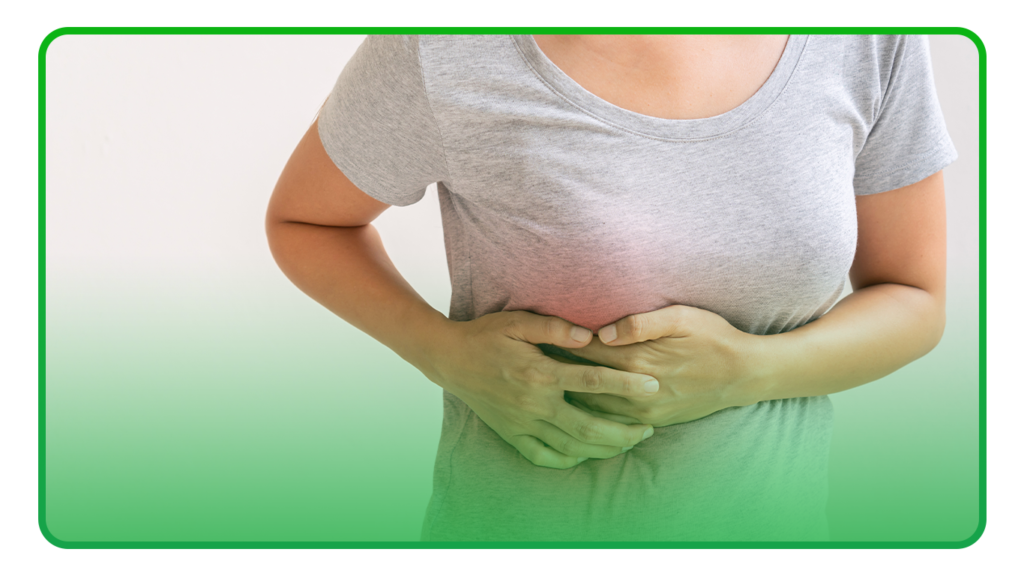
Fatty liver is commonly assumed to be a disease purely alcohol-related, often associated with “man’s disease.” However, with non-alcoholic fatty liver (NAFLD), it happens without alcohol consumption—and women are just as likely to develop the disease, and in many cases, they are at greater risk. This is especially true for those with obesity, hormonal changes, and conditions like polycystic ovary syndrome.
And the concerning part is that fatty liver tends to go unnoticed or undetected because it progresses without any noticeable signs.
What are the Risk Factors

Understanding what puts women at greater risk is the first step toward prevention. Several lifestyle, hormonal, and metabolic factors can quietly set the stage for fat to build up in the liver over time.
- Obesity
- Poor diet
- Sedentary lifestyle
- High cholesterol
- PCOS (Polycystic Ovary Syndrome)
It’s critical to identify these risk factors, but it’s equally important to know what to look out for. The symptoms of fatty liver disease are often subtle and easy to ignore.
Physical Symptoms of Fatty Liver to Watch Out For
- Fatigue

Doing things feels really hard. Even the easiest and most mundane tasks seem difficult to get through. You lie down to rest, and your body feels too heavy—like you’ve exhausted all your energy without actually doing anything. A lot of women think this unexplainable fatigue is caused by stress or being worn out, but it could be that their liver is having trouble keeping up.
- Feeling bloated

You haven’t eaten a single meal yet your stomach feels like you’ve stuffed yourself with two meals’ worth of food because of how visibly larger and heavier it is and how uncomfortably tight your clothes have become. More than that, there’s also a noticeable puffiness and swollen look on your face without any clear reason to explain it.
An enlarged or inflamed liver can put pressure on the surrounding digestive organs, interfering with normal digestion and producing the unpleasant, heavy feeling in the abdomen that is known as bloating.
- Sudden weight changes
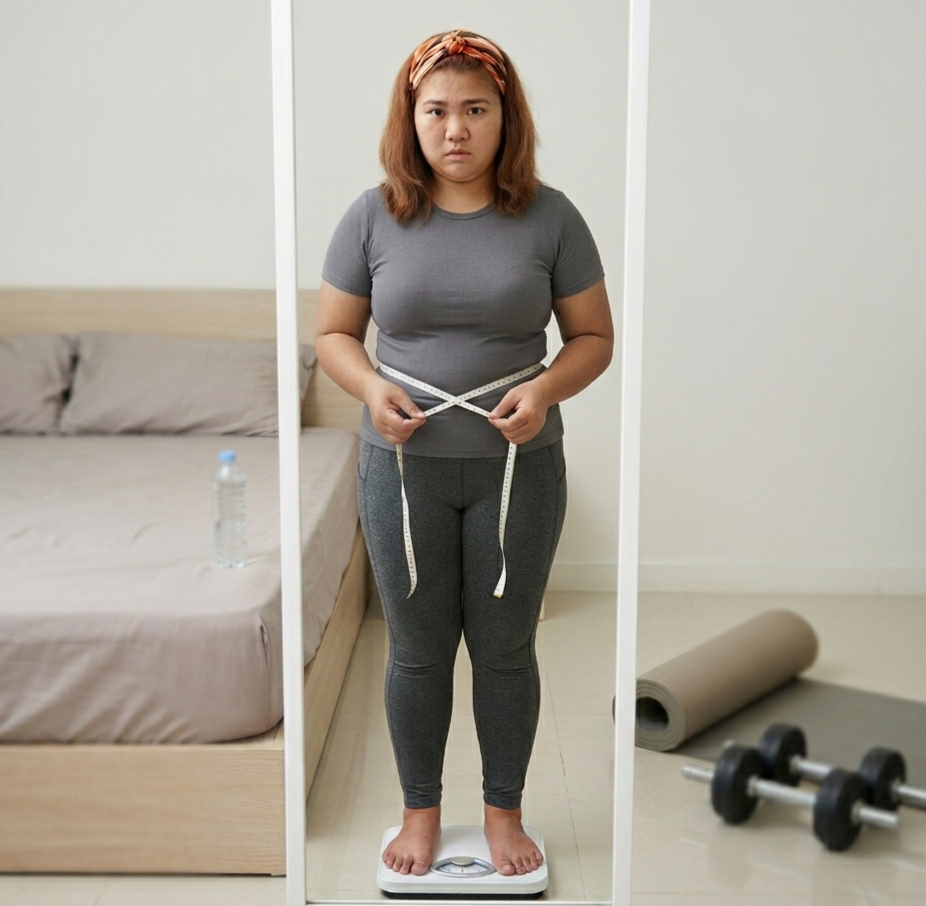
Despite watching out for your diet and being mindful of your lifestyle, there are unexplained weight fluctuations; your liver may be trying to send you a signal.
- Nausea and vomiting
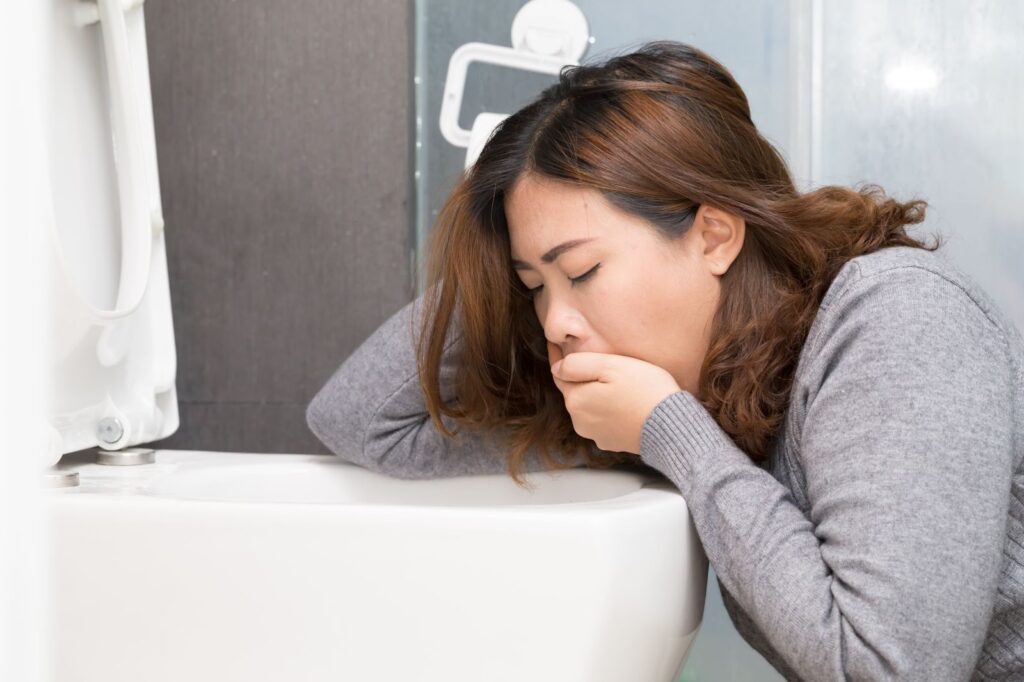
After consuming meals heavy in fat and cholesterol, you may start to feel your body taking its effect—the room begins to spin, and an overwhelming urge to vomit sets in. On top of that, there’s a burning sensation in your chest, and your stomach feels unsettled long after the meal is done.
- Hormonal imbalance
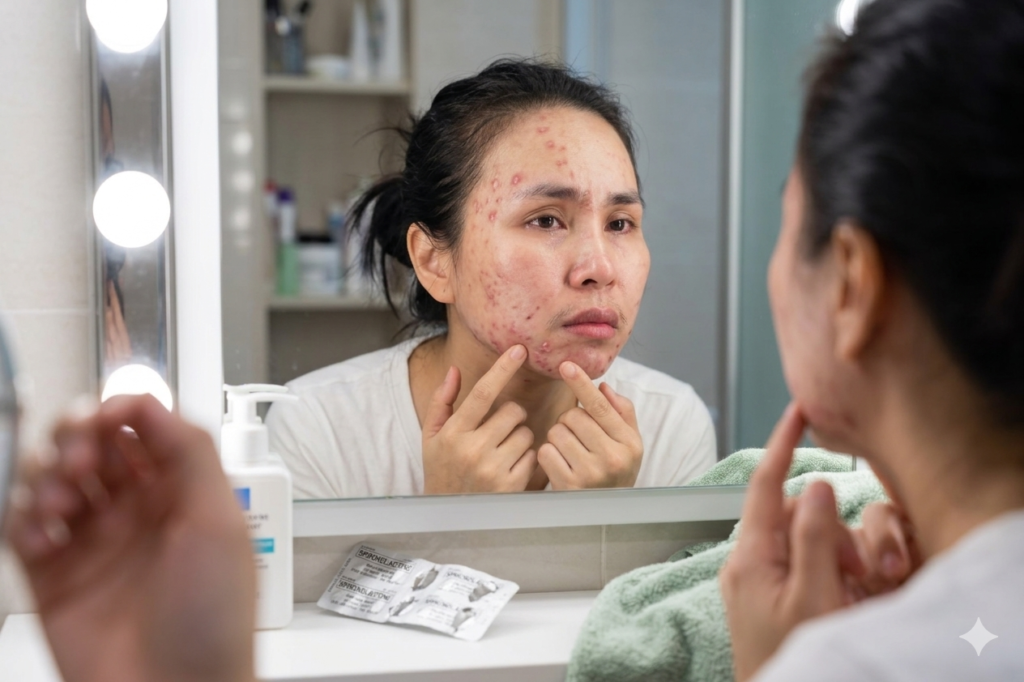
Missing your menstrual cycle multiple times, experiencing heavier or lighter bleeding during your period, or noticing your PMS symptoms getting worse than usual could all be signs that your liver might be under stress that quietly throws off your body’s hormonal balance.
- Jaundice
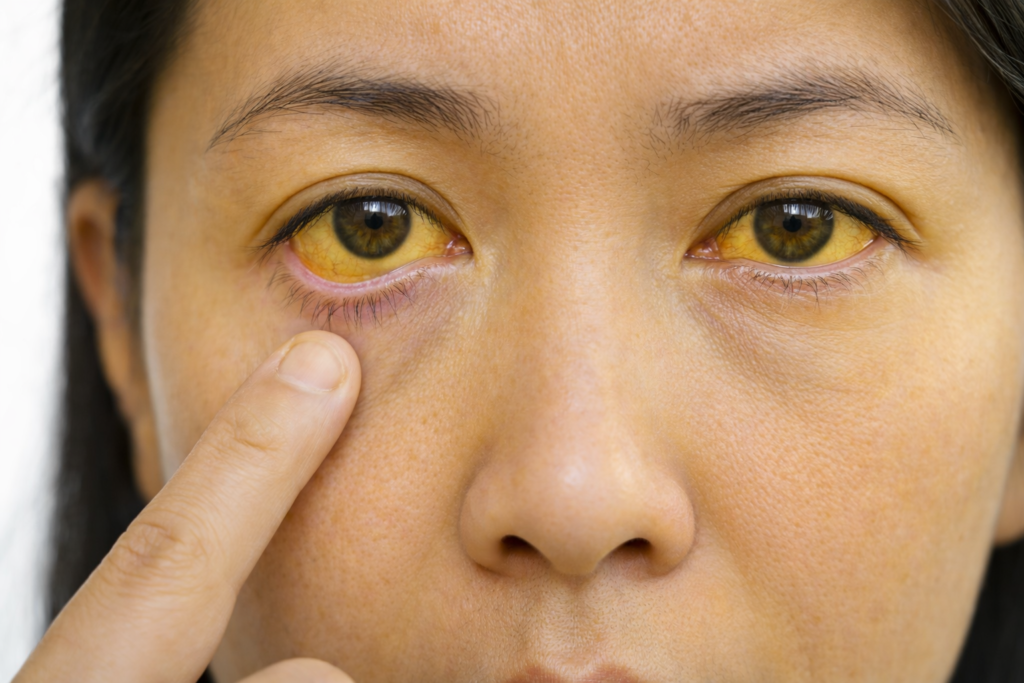
This is an advanced stage of fatty liver where the whites of the eyes take on a yellowish tint. The skin and urine color are also affected. If this color change is one of the symptoms you’re experiencing, it’s a major red flag that should never be ignored.
Simple Ways Women Can Prevent Fatty Liver
Avoid Foods That Increases Fatty Liver Risk
- Sugary foods & drinks – Soft drinks, fruit juices, candies, and cakes.
- Refined carbohydrates – White bread and white rice
- Unhealthy fats – Fried foods, fast food, and processed meats.
- Alcohol – Even if the condition is non-alcoholic fatty liver disease, alcohol consumption can worsen the damage
- Highly processed foods – Instant noodles, chips, and canned goods.
Daily Habits That Reduce Your Risk
- Exercise regularly – Regular exercise is a good way to reduce the risk of fatty liver. Your body will benefit from simple to moderate exercises like walking, jogging, or running as long as you move for at least 30 minutes. Strenuous workouts are optional but not necessary.
- Stay hydrated – Drinking enough water a day helps detoxify the liver.
- Get regular checkups – Since fatty liver disease often goes unnoticed, routine checkups and tests are one of the most important steps you can take to address any concerns before it progresses.
References:
- McMillen, M. (2024, December 26). Fatty Liver Symptoms in Women. WebMD.
https://www.webmd.com/fatty-liver-disease/fatty-liver-symptoms-in-women - 5 Early Symptoms of Fatty Liver Disease in Females. (2026, February 11). Liv Hospital. https://int.livhospital.com/5-early-symptoms-of-fatty-liver-disease-in-females/
- Nall, R. (2023, January 23). 6 Ways Fatty Liver Disease Can Show Up on Your Face. Healthline; Healthline Media. https://www.healthline.com/health/fatty-liver-symptoms-on-face
- Desk, T. L. (2025, July 12). Fatty liver in females: 7 silent symptoms most women miss. The Times of India; The Times Of India. https://timesofindia.indiatimes.com/life-style/health-fitness/health-news/fatty-liver-in-females-7-silent-symptoms-most-women-miss/photostory/122398159.cms
- Medicover Hospitals. (2024, September 24). Fatty Liver Symptoms in Females & How to Treat It. Medicoverhospitals.in; Team Medicover. https://www.medicoverhospitals.in/articles/fatty-liver-symptoms-in-females
- https://www.sunwaymedicalvelocity.com.my/en/blogs/fatty-liver-isnt-just-a-mans-problem-why-women-should-pay-attention. (2025). Fatty Liver Isn’t Just a “Man’s Problem”, Why Women Should Pay Attention. Sunwaymedicalvelocity.com.my
- https://www.sunwaymedicalvelocity.com.my/en/blogs/fatty-liver-isnt-just-a-mans-problem-why-women-should-pay-attention/
- Nandini. (2024, September 28). Early Fatty Liver Symptoms in Females: What to Watch For? Dr. Anki Reddy’s. https://www.drankireddy.com/early-warning-signs-of-fatty-liver-in-women/