
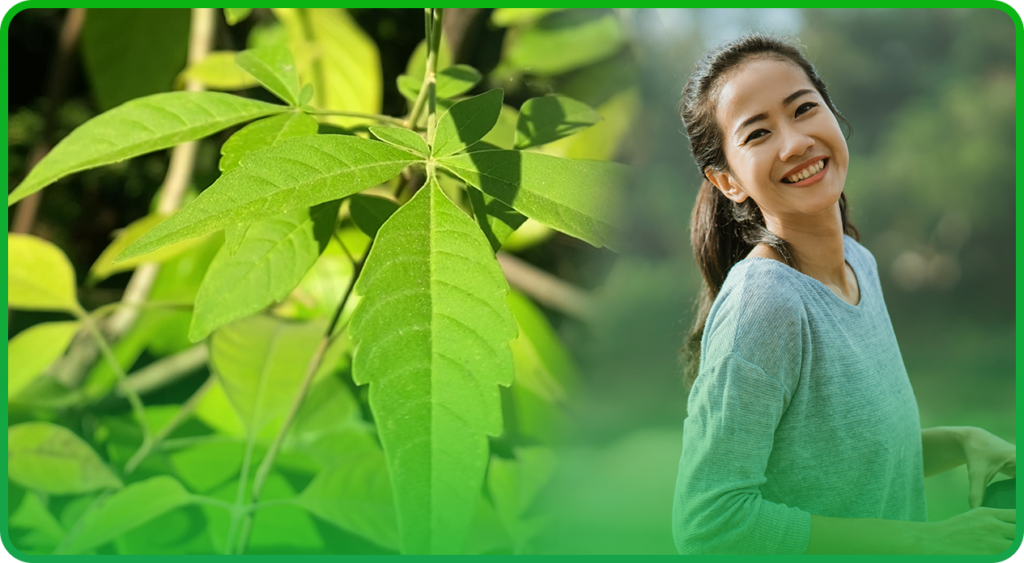
Your natural relief for cough, fever, and respiratory problems may have been growing in your backyard all along
When coughs and colds kick in, our first instinct is to head to the nearest pharmacy and buy an over-the-counter medicine—those synthetic ones commonly sold in tablet form—and take it with a quick gulp of water. But what if one of the natural cough relief solutions has been growing in your backyard all along?
A Generations-Old Remedy: Lagundi in Filipino Households
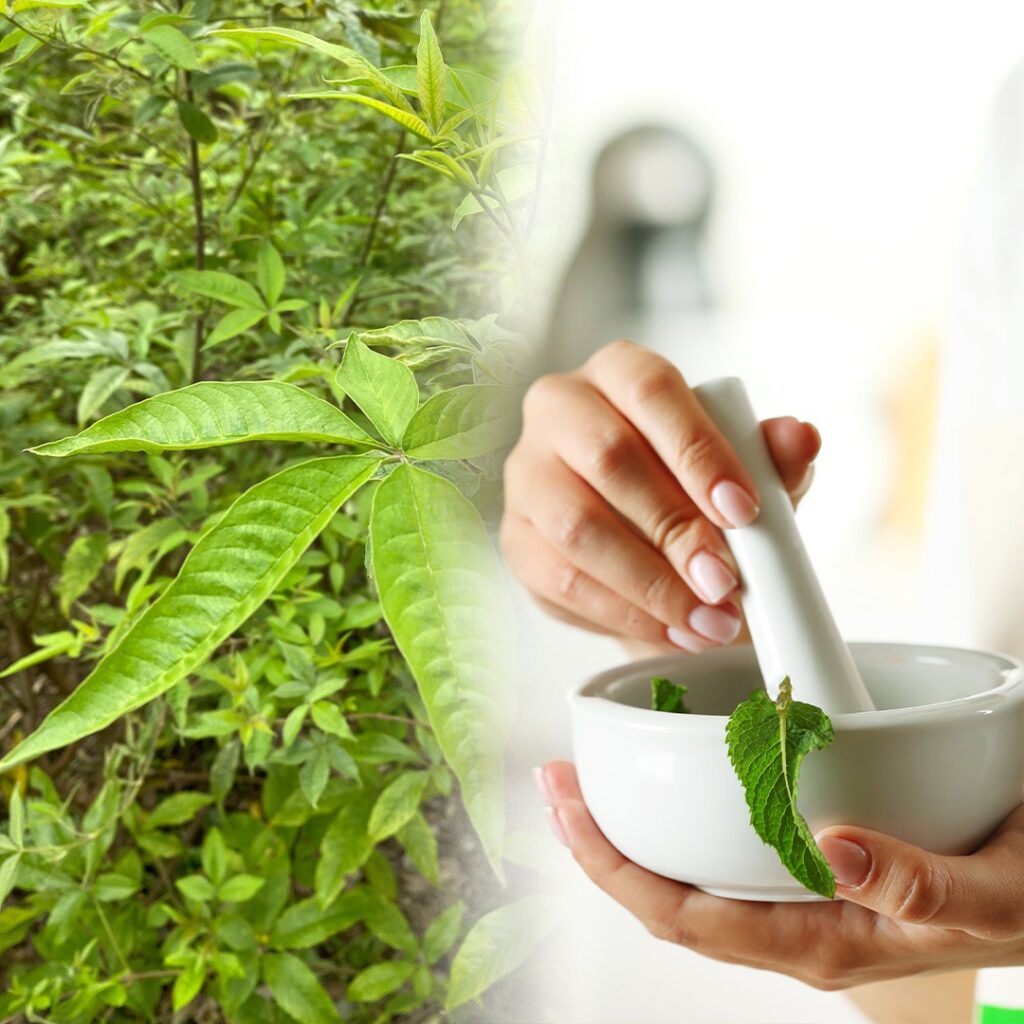
Meet Vitex negundo, better known as lagundi—it has been a part of Filipino folk medicine for hundreds of years. Long before there were pharmacies on every corner, Filipino families had been resourceful in using its leaves to calm coughs, lower fevers, and ease body pain.
And the best part? What our lolas have always known is true in science. The Philippine Department of Health (DOH) officially recognizes lagundi as one of only ten medicinal plants that have been shown to be effective. This means that it is not just a traditional remedy but a reliable one.
Benefits of Lagundi as Herbal Medicine

Helps with asthma
– Lagundi is a well-known herbal medicine that has been shown to help with asthma symptoms by acting as a natural bronchodilator. This means it relaxes and widens the airways, making it easier to breathe and easing chest tightness caused by asthma.
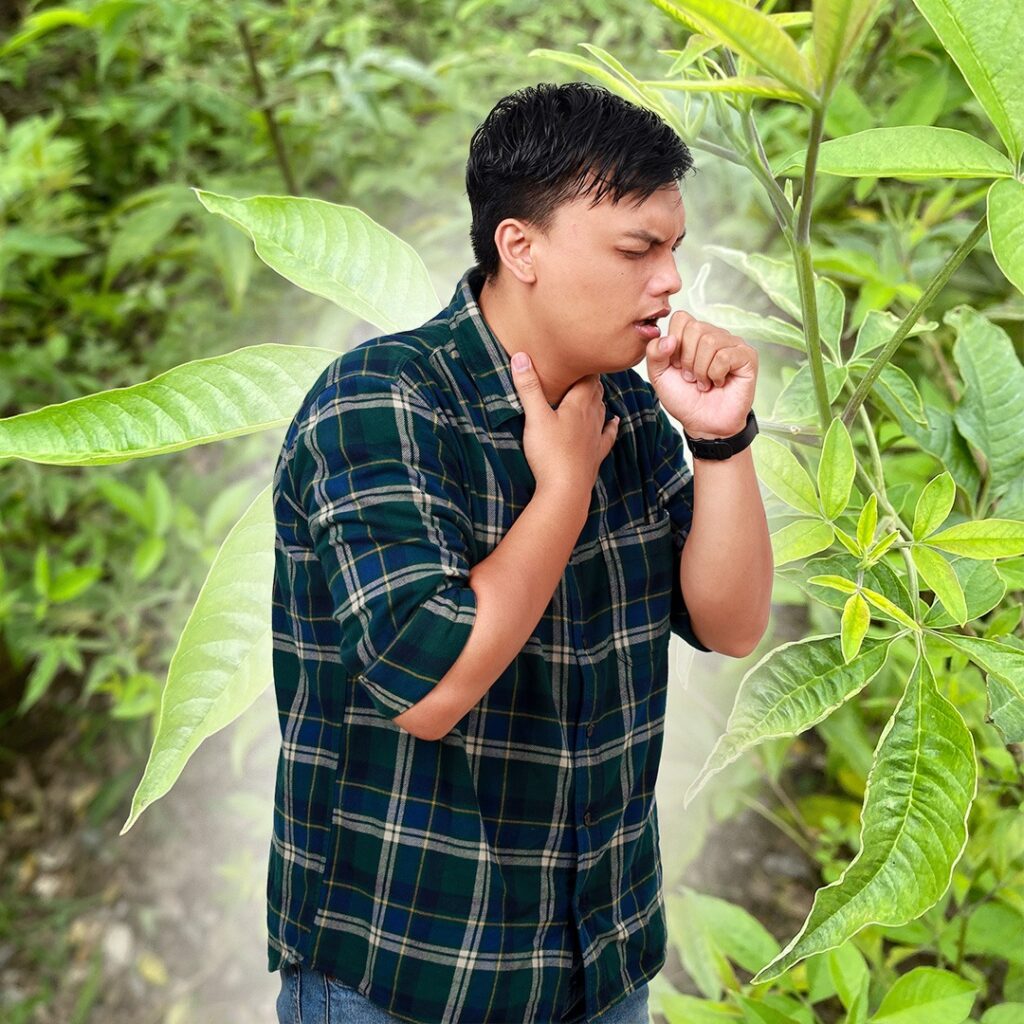
Soothes and relieves cough
– Lagundi has anti-inflammatory properties that are beneficial in relieving sore throat and cough. It is also known for being mucolytic, or an expectorant, because it can lessen the thickness of phlegm, making it easier to cough out.

Lower body temperature caused by fever
– Due to its analgesic properties, which ease discomfort related to body aches and headaches, it may help stabilize body temperature—making it useful beyond just respiratory concerns.

Fights off harmful bacteria and infection
– Research indicates that lagundi extract has antimicrobial activity against bacteria, fungi, and parasites and has historically been used to treat infections.
How to Use Lagundi Safely
Lagundi is available in several forms, making it easy to incorporate into your daily routine. However, it is generally not recommended to consume lagundi as it is straight from the plant.
The most traditional and safe way to prepare it at home is through decoction: boiling 6 to 8 fresh lagundi leaves in 2 cups of water for about 10 to 15 minutes, straining the leaves, and drinking it like tea. You can make it taste better by adding honey or calamansi.
That said, commercially available lagundi products are now the more recommended option for safer and more convenient consumption. You can find trusted brands like Plemex Forte and Plemex for Kids in many pharmacies nationwide. They come with clear directions on how to use them and the right amount to take, so you don’t have to guess how to prepare them, and the risk of mild side effects like stomach pain, nausea, or allergic reactions that can happen with traditional use is lower.
This is exactly why opting for commercially prepared products with measured doses is the safer and smarter choice.
A Few Things to Keep in Mind
- Pregnant and breastfeeding women should consult a doctor before use
- Children under 2 years old should only be given lagundi under medical supervision
- Anyone with pre-existing health issues or currently taking medication should get medical advice before using lagundi.
More than Just a Herb
Lagundi is more than just an herbal plant; it is a generations-old remedy now backed by science, available in safe and convenient forms, and deeply rooted in Filipino culture. Nature had the answer before we even thought to ask.
References:
- BusinessMirror. (2023, May 18). Lagundi Benefits and Side Effects | BusinessMirror. BusinessMirror. https://businessmirror.com.ph/2023/05/19/the-health-benefits-and-side-effects-of-lagundi/
- 6 Benefits of Lagundi for Dry Cough. (2025, April 30). Pharex – Wellness beyond Pharmaceuticals. https://www.pharexhealth.com/health-articles/6-benefits-of-lagundi-for-dry-cough
- Lagundi: Anti-cough and anti-asthma medicine – Philippine Council for Health Research and Development. (2024, January 19). Philippine Council for Health Research and Development. https://www.pchrd.dost.gov.ph/heartnovation/lagundi-anti-cough-and-anti-asthma-medicine/#:~:text=Lagundi%20has%20become%20one%20of,and%20Natrapharm%2C%20Inc.
- From Herbal Folklore to Modern Medicine. (2023). Ip-Advantage. https://www.wipo.int/en/web/ip-advantage/w/stories/from-herbal-folklore-to-modern-medicine
- Boy, H. I. A., Rutilla, A. J. H., Santos, K. A., Ty, A. M. T., Yu, A. I., Mahboob, T., Tangpoong, J., & Nissapatorn, V. (2018). Recommended Medicinal Plants as Source of Natural Products: A Review. Digital Chinese Medicine, 1(2), 131–142. https://doi.org/10.1016/s2589-3777(19)30018-7