

Think Vitamin C is all about oranges? Discover vitamin C-rich foods to add to your diet
Vitamin C Benefits: Why Vitamin C is Needed
Did you know that unlike most animals, the human body can’t produce vitamin C on its own?
The only way we can get it is by relying entirely on food and supplements. This popular vitamin, often associated with oranges, is actually a powerful essential nutrient that strengthens the immune system, protects cells from damage, and builds collagen for healthy skin.
Apart from citrusy foods and supplements, vitamin C is also abundant in the usual food we consume—and you might not even be noticing! Here are some sources that will probably make you interested in stocking up your fridge:
Foods High in Vitamin C
Vitamin C is in more foods than you might think, from colorful fruits to everyday vegetables. The best part is that most of them are always available at your local market or grocery store.
The list below includes common food sources of vitamin C with their serving size, amount of vitamin C (mg), and % Daily Value (%DV)—which shows how much each serving contributes to the recommended at least 90 mg per day for adults.
Fruits
1. Guava
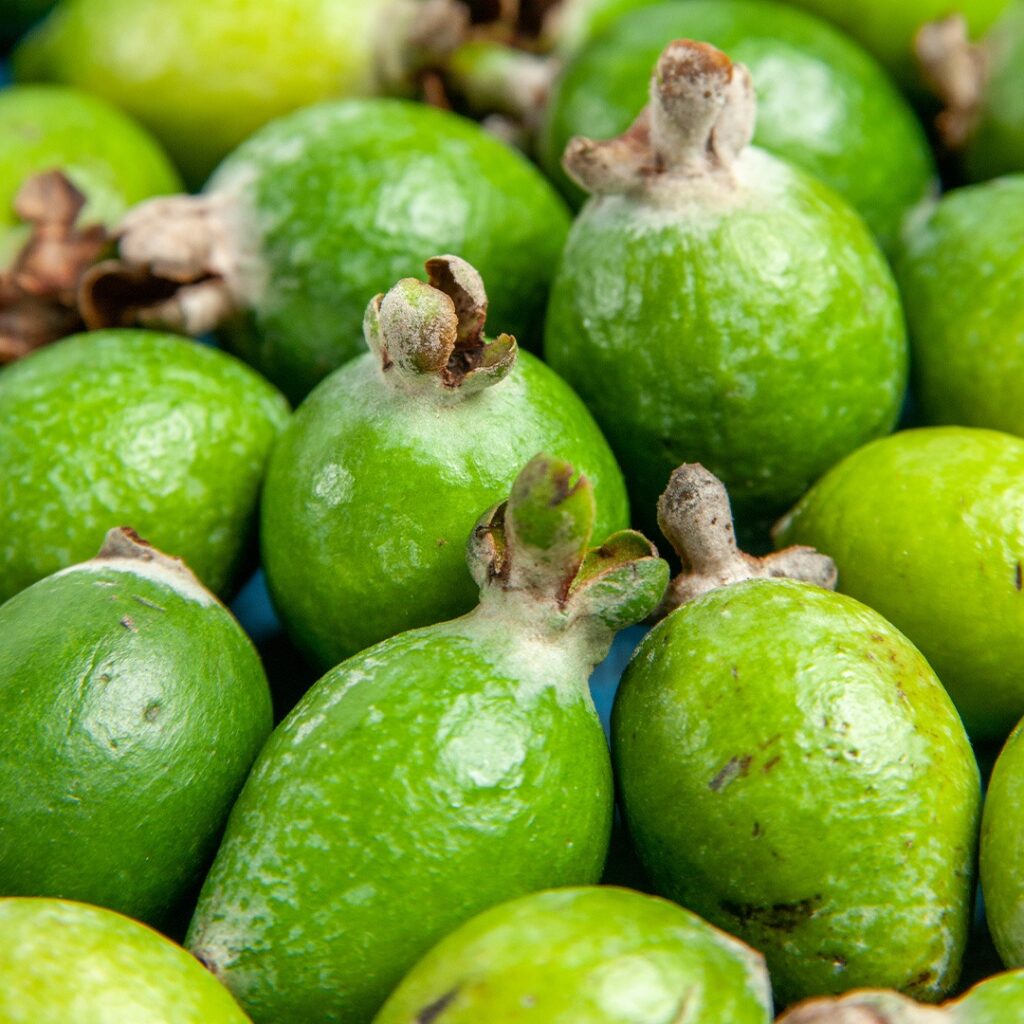
Vitamin C content: 125 mg (140% DV) for a piece
Guava is abundant in tropical regions, particularly in the Philippines, and can often be found right in your neighborhood. Apart from its distinct fragrant taste, it contains a high amount of vitamin C. It can be eaten on its own or included in your favorite fruit salad recipe.
2. Oranges
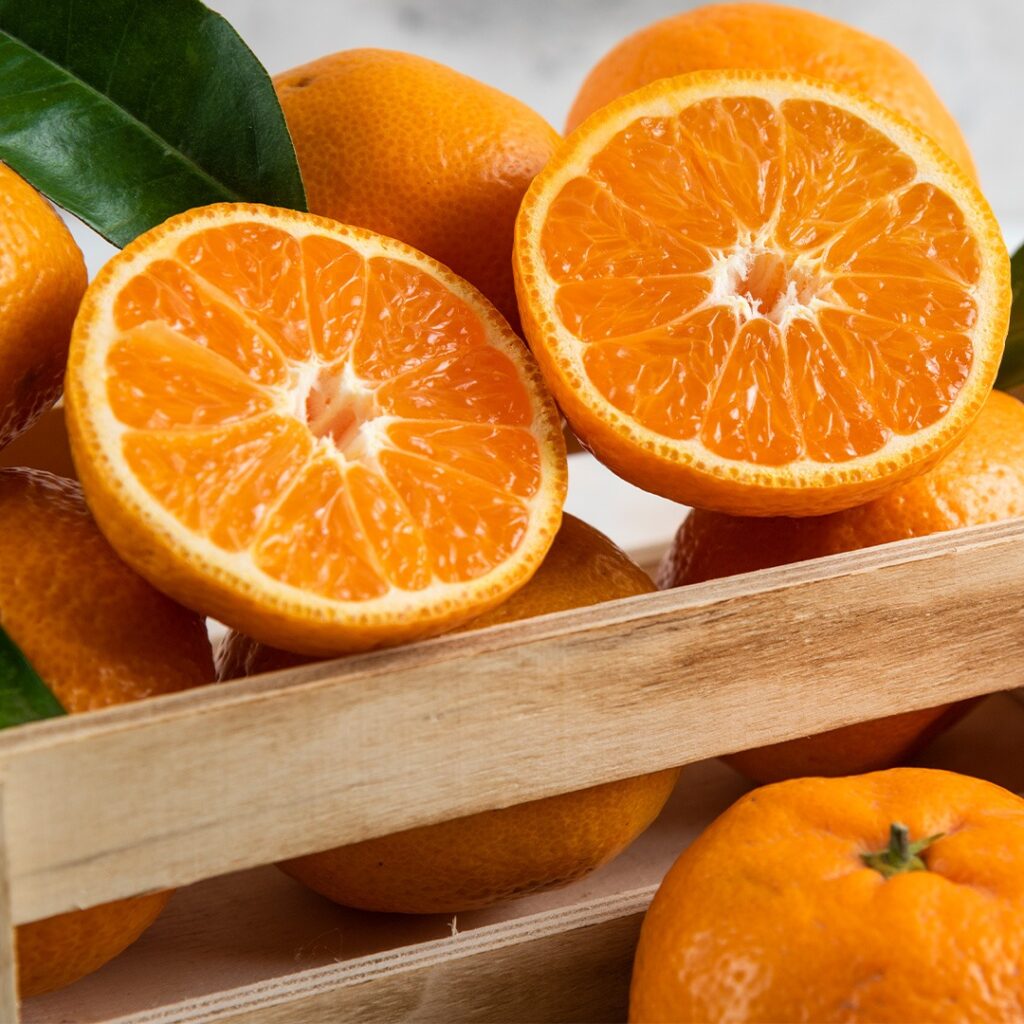
Vitamin C content: 97 mg (109% DV) for a large piece
Your home likely has an orange supply, and with its convenient sizing, it contains the right amount of vitamin C that can supplement your daily needs. With its versatility, an orange can be paired in a nutrient-dense meal like oatmeal, or if you’re up for a refreshing drink, a freshly squeezed orange juice will do, and it could also boost your vitamin C intake for the day.
3. Papaya
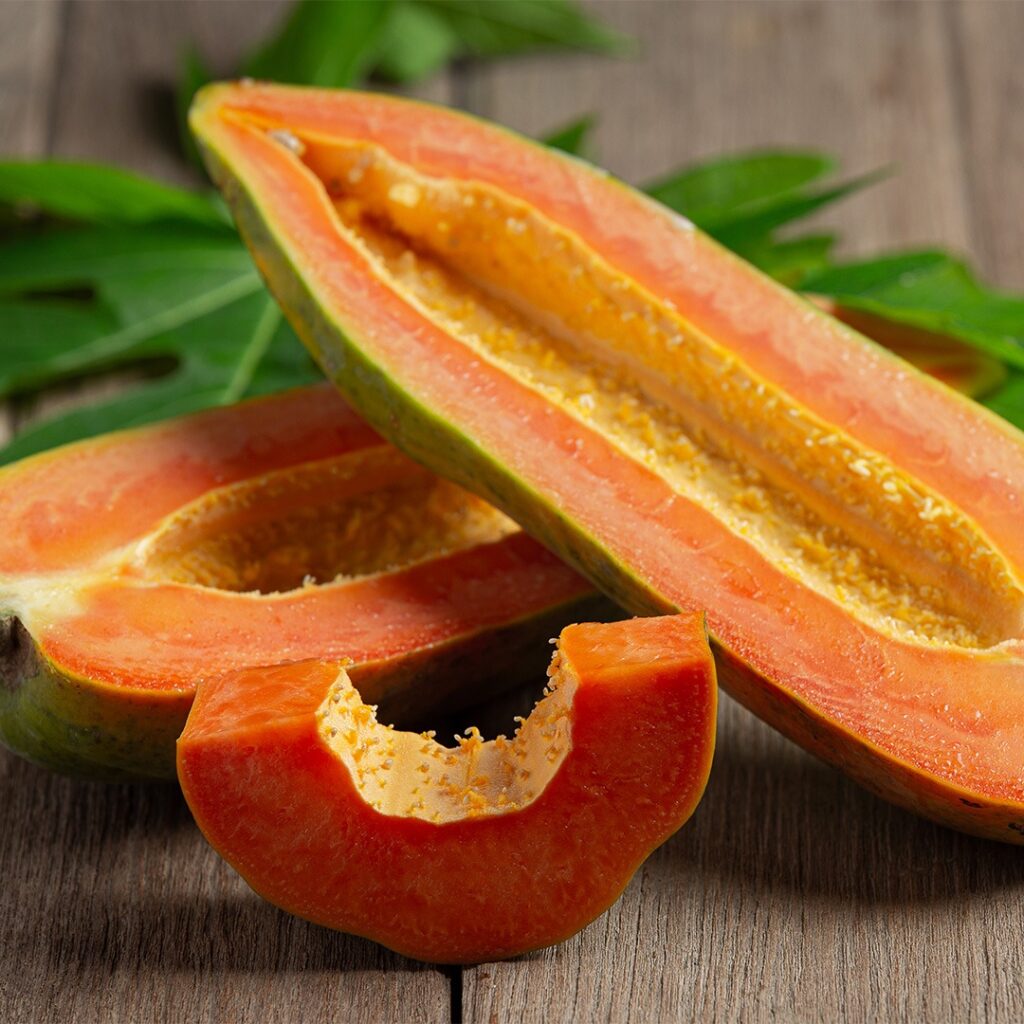
Vitamin C content: 95 mg (100% DV) for a medium-sized piece
A very filling fruit that eases your digestion and keeps you full for a longer time. Beyond its nutrients, it’s especially recommended if weight loss is part of your diet plan.
4. Mango

Vitamin C content: 60 mg (67% DV) for a medium-sized piece
This sweet delight, a popular treat during summer or the dry season, is a decent source of vitamin C. With the creative preparations its sweet flavor allows, it can be made into fruit salad, fruit juice, or enjoyed as it is. Just remember to avoid adding too much sugar when preparing it as a dessert, since mango is already high in sugar.
5. Pineapple
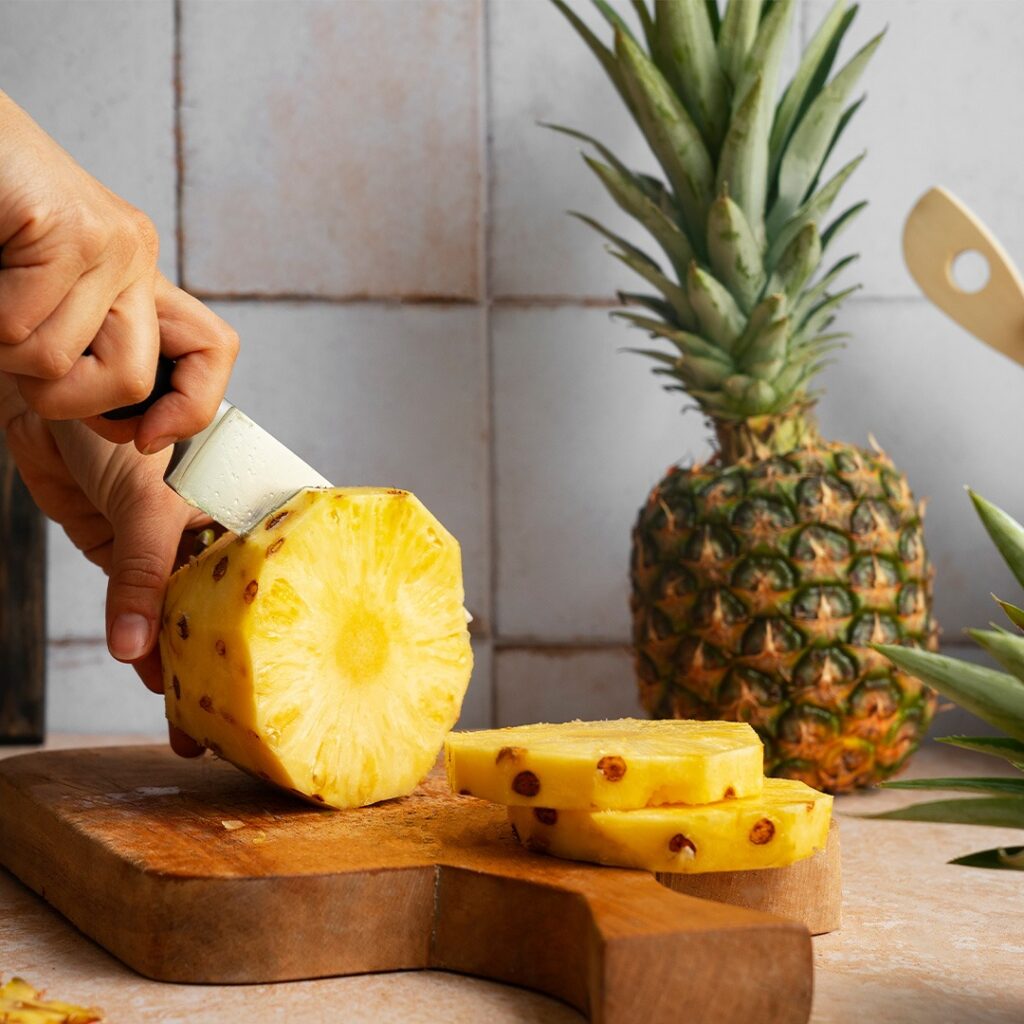
Vitamin C content: 79 mg (88% DV) per cup
They say pineapple eats you back. That’s because of bromelain, an enzyme that breaks down protein-dense food, making it easier to digest.
6. Strawberries
Vitamin C content: 83 mg (92% DV) per cup
More than helping your immune system, strawberries are beneficial to your heart, as they help lower bad cholesterol and have high levels of antioxidants that fight inflammation.
Vegetables
1. Tomatoes

Vitamin C content: 171 mg (190% DV) per 8 oz serving
Tomatoes are a common kitchen staple that are more than just tasty. They are a surprisingly good source of vitamin C and can be eaten raw, cooked, or mixed into soups and sauces.
2. Bell peppers

Vitamin C content: 213 mg (237% DV) per cup
Whether eaten raw as a snack or added to a stir-fry, bell peppers, one of the highest vegetable sources of vitamin C, add a delightful crunch and vivid color to any meal.
3. Broccoli

Vitamin C content: 51 mg (57% DV) for half a cup of cooked broccoli
A powerhouse vegetable that delivers a solid dose of vitamin C even in small servings, broccoli is a simple and filling addition to your plate whether steamed, roasted, or added to soups.
4. Spinach
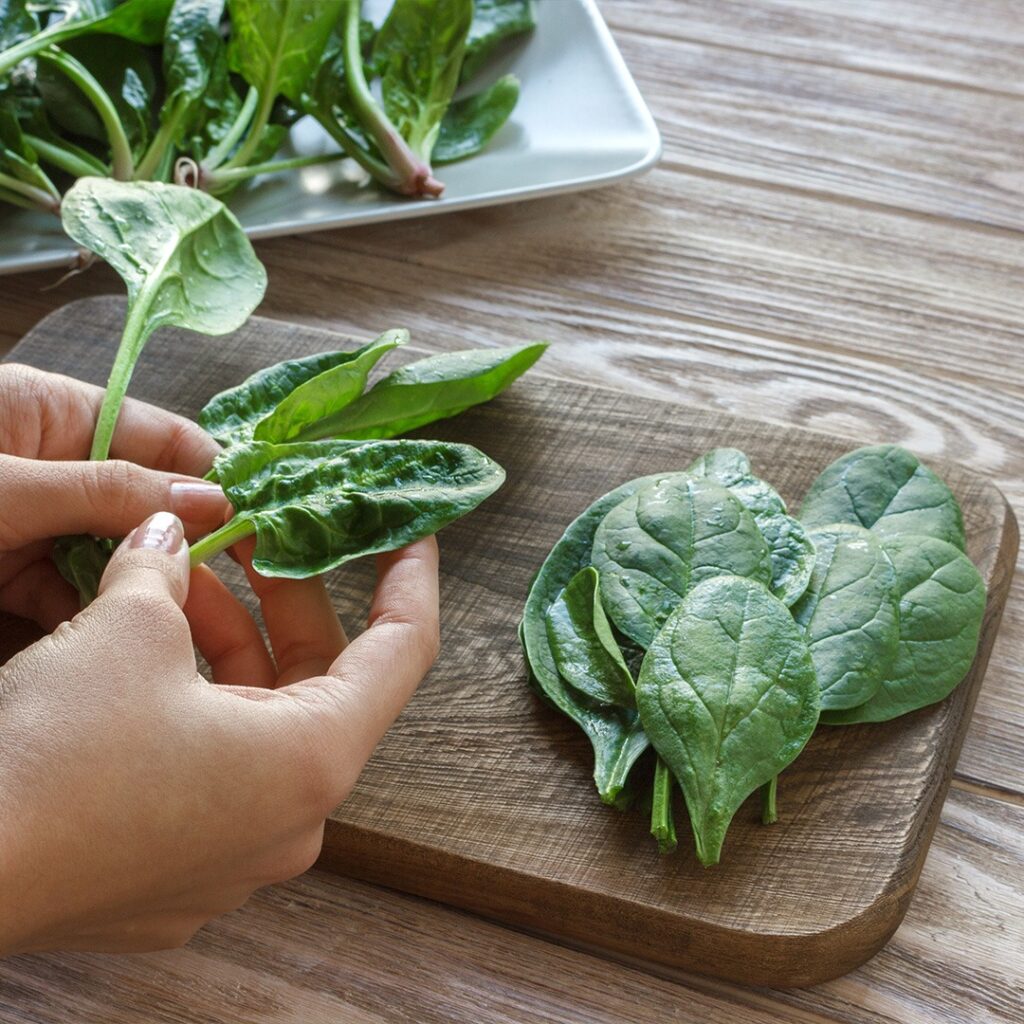
Vitamin C content: 30 mg (33% DV) per 3 cups
Spinach is a mild and easy-to-use leafy green that adds vitamin C to your diet without you even noticing. You can toss it into salads, blend it into smoothies, or wilt it into warm dishes with little effort.
Vitamin C Daily Intake: How Much Vitamin C Per Day?
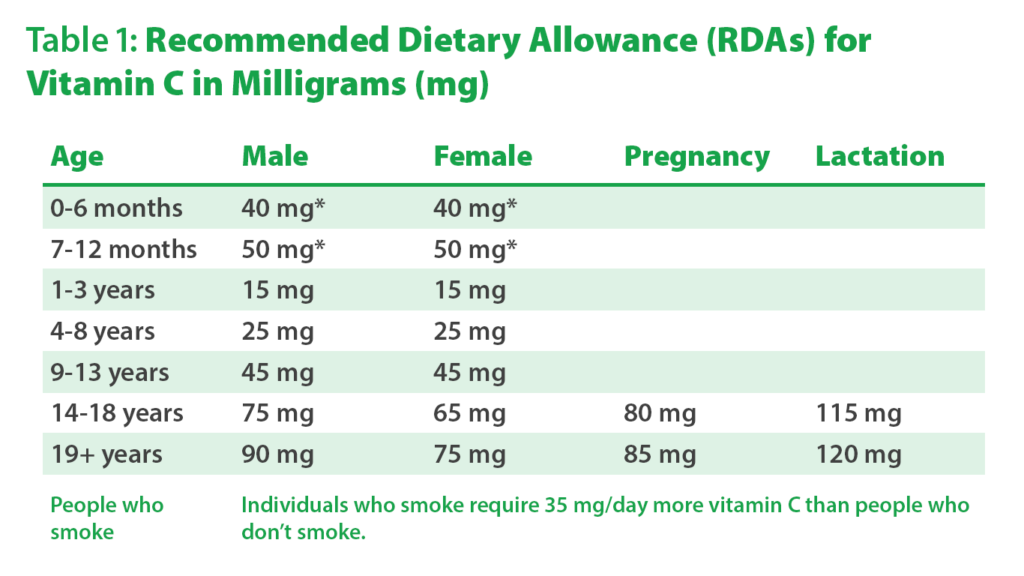
The Recommended Dietary Allowance (RDA) is the amount of vitamin C you should eat every day to stay healthy. The Tolerable Upper Intake Level (UL) is the most vitamin C you can safely eat without putting your health at risk.
It’s important to get enough vitamin C every day, but it’s also important to stay within safe limits. The UL for adults is 2,000 mg of vitamin C per day. Taking more than this amount can cause health problems like stomach pain and kidney stones.

More Than Diet, Build the Habit

Maintaining your vitamin C consumption is just one piece of a bigger puzzle when it comes to building a truly healthy lifestyle. Including other essential nutrients—like vitamin D, B vitamins, magnesium, zinc, and healthy fats—helps your body absorb and utilize everything more effectively, so no single nutrient works in isolation.
Beyond nutrition, other lifestyle changes you build around your diet matter as much. Staying physically active, managing your stress, getting quality sleep, and having regular checkups can ensure improvement for your overall health.
If you are experiencing hyperacidity, acid reflux, heartburn, or indigestion, it’s a good idea to limit intake of foods with high citric acid content to avoid irritation. Instead, vitamin C supplement options are available as sodium ascorbate, which is gentler on the stomach because of its buffered, non-acidic form of vitamin C, making it generally safer.
Link redirect to 5 signs of weak immune system
References:
- DeSoto, L. (2024, September 11). 27 Foods High in Vitamin C. Verywell Health. https://www.verywellhealth.com/vitamin-c-foods-8701111
- Pullar, J., Carr, A., & Vissers, M. (2017). The Roles of Vitamin C in Skin Health. Nutrients, 9(8), 866. https://doi.org/10.3390/nu9080866
- Whitbread, D. (2024, November 10). Top 10 Foods Highest in Vitamin C. My Food Data. https://www.myfooddata.com/articles/vitamin-c-foods.php
- Salter, H. (2025, October 10). 10 unexpected foods that contain your daily vitamin C. Good Food. https://www.bbcgoodfood.com/health/nutrition/unexpected-foods-that-have-your-daily-vitamin-c
- Vitamin, in. (2019). RxFood. RxFood. https://rxfood.com/vitamin-c-foods
- Nutrition Facts for Oranges. (2026). My Food Data. https://tools.myfooddata.com/nutrition-facts/169097/wt2/1
- Foley, J. (2025, July). 14 Foods High in Vitamin C. GoodRx. https://www.goodrx.com/well-being/diet-nutrition/foods-high-vitamin-c?srsltid=AfmBOor8nj85NiSvBSLcDSWTHJVniYtnaq8_LHeFX0clKiIvvnveTs0v#role-in-the-body
- Office of Dietary Supplements – Vitamin C. (2025). Nih.gov. https://ods.od.nih.gov/factsheets/VitaminC-HealthProfessional/
- Hill, C. (2018, June 5). 20 Foods That Are High in Vitamin C. Healthline; Healthline Media. https://www.healthline.com/nutrition/vitamin-c-foods#kiwi