
Asthma in kids can feel overwhelming, but informed parents make the difference. Learn how to manage your child’s asthma with confidence.
Finding out your child has asthma can be overwhelming and frightening at the same time — and you are not alone. In low-middle-income countries across Southeast Asia, including the Philippines, 1 in every 10 children suffers from asthma.
What makes it particularly stressful is that asthma attacks can strike suddenly without warning, keeping many parents constantly on edge. And rightly so—when a flare-up is not treated immediately, it can become life-threatening.
Asthma is a long-term inflammation of the airways, and while there is currently no definitive cure, it can be very well controlled and managed. With the right knowledge and treatment plan, your child may experience few to no symptoms—be aware, however, that the condition itself doesn’t fully go away and can come back later on.
Asthma Attack Symptoms
Looking out for the symptoms of an asthma attack can help you respond quickly and prevent the situation from escalating into something more serious.
- Shortness of breath – difficulty breathing and rapid breathing
- Wheezing or coughing – whistling sound when breathing, or persistent coughing
- Chest pain or tightness – pressure or squeezing in the chest, which may lead to chest pain during a severe attack
- Pale skin and lips – child may appear bluish or gray, particularly on their lips, face, and fingertips caused by low oxygen levels in the blood
- Flared nostrils or neck muscles visibly straining – signs that the body is working harder to breathe
What to Do After Your Child Had an Asthma Attack
- Let them have rest. Keep your children calm and in a comfortable position—sitting upright is usually best for easier breathing. Avoid any physical activity until they have fully recovered.
- Stay calm and make them feel safe. Don’t let panic get into you as a parent, as it can make the situation worse, causing your children more distress. Keep calm and remind them they are safe and you are with them.
- See a doctor. Consult your GP or pediatrician after an asthma attack to assess your child’s triggers, review their medications, and update their asthma action plan.
Asthma Management and Treatment
Your child’s pediatrician will determine the right asthma treatment plan based on the severity and triggers specific to your child. Common options include:
- Prescribed inhalers – These are typically used as long-term medication to keep your child’s asthma under control. Most of the time, these contain steroids to reduce inflammation in the airways.
- Rescue inhalers / quick-relief medications – These medications contain a bronchodilator, which opens and relaxes airways for the child to breathe easily. These work fast and should always be readily available.
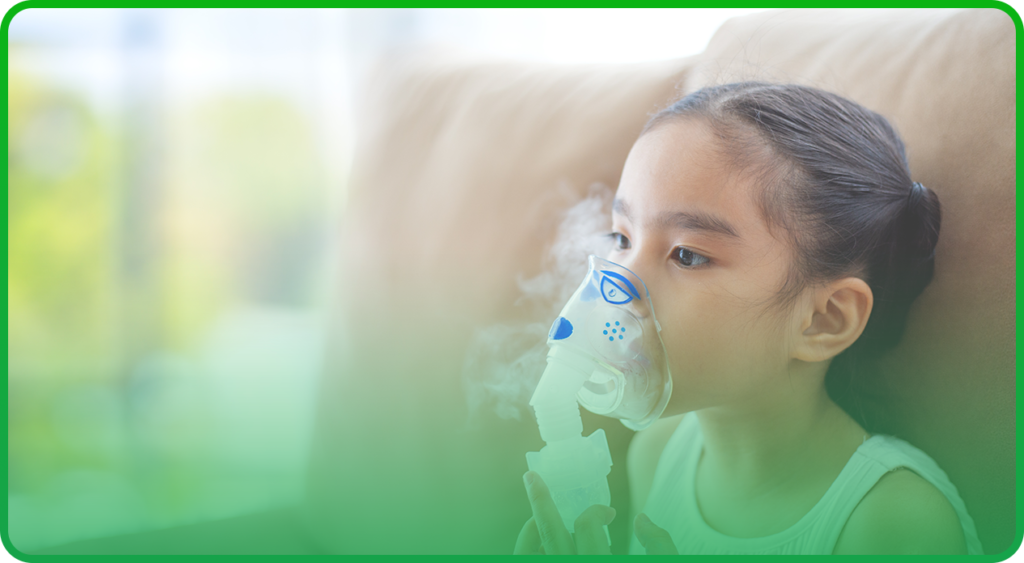
- Nebulizer – These changes liquid medication into a fine, breathable mist, which is then inhaled through a mask or mouthpiece.
- Antihistamines – If your child has co-occurring allergies such as allergic rhinitis that may worsen the asthma, antihistamines may be prescribed to manage allergic symptoms, which can help reduce allergy-related asthma triggers.
- Avoid triggers— Medication is not a one-size-fits-all solution. Knowing your child’s triggers is as important to prevent cases of asthma attacks. Common asthma triggers that parents should watch out for are dust, pollen, temperature changes, and animal fur or pet dander.
Child’s asthma action plan
Your child’s asthma action plan is your go-to guide or manual to help them deal with their condition. Made with your child’s pediatrician, it lists your child’s medications, early warning signs of symptoms, and when to take them and when to call for help. Make it a habit to review it regularly so you always know what to do when it matters most.
Your child should also be familiar with the plan. Older kids, in particular, should know which steps they can take on their own and when to ask for help. Using language that is easy to understand and age-appropriate helps them understand their own condition better.
Apart from the family, make sure to share the plan with teachers and school nurses since your child spends much of their day at school; having the right people informed can make all the difference in an emergency.
References:
- Treating asthma in children ages 5 to 11. (2023). Mayo Clinic. https://www.mayoclinic.org/diseases-conditions/childhood-asthma/in-depth/asthma-in-children/art-20044383
- Asthma in Children: Signs, Symptoms & Treatment | ACAAI Public Website. (2025, June 6). ACAAI Patient. https://acaai.org/asthma/asthma-101/who-gets-asthma/children/
- Asthma Attack. (2026). Seattle Children’s Hospital. https://www.seattlechildrens.org/conditions/a-z/asthma-attack/
- Hika sa mga Bata – Kalusugan ng Komunidad. (2023, September 25). Community Health. https://www.chcrr.org/tl/health-topic/asthma-in-children/
- Medications to Treat Asthma in Children. (2025, March 24).
HealthyChildren.org. https://www.healthychildren.org/English/health-issues/conditions/allergies-asthma/Pages/Medications-Used-to-Treat-Asthma.aspx
- Bhatia, R. (2026, March 2). Asthma in Children. MSD Manual Consumer Version; MSD Manuals. https://www.msdmanuals.com/home/children-s-health-issues/respiratory-disorders-in-infants-and-children/asthma-in-children#Diagnosis_v819603
- Lizzo, J. M., Goldin, J., & Cortes, S. (2024, May 4). Pediatric Asthma. Nih.gov; StatPearls Publishing. https://www.ncbi.nlm.nih.gov/books/NBK551631/
- Can. (2023, August 29). Asthma: Types, Causes, Symptoms, Diagnosis & Treatment. Cleveland Clinic. https://my.clevelandclinic.org/health/diseases/6424-asthma
- What to do if your child has an asthma attack. (2025, July 29). Asthma + Lung UK. https://www.asthmaandlung.org.uk/conditions/asthma/child/asthma-attacks
First aid for a child who is having an asthma attack. (2026). British Red Cross. https://www.redcross.org.uk/first-aid/learn-first-aid-for-babies-and-children/asthma-attack